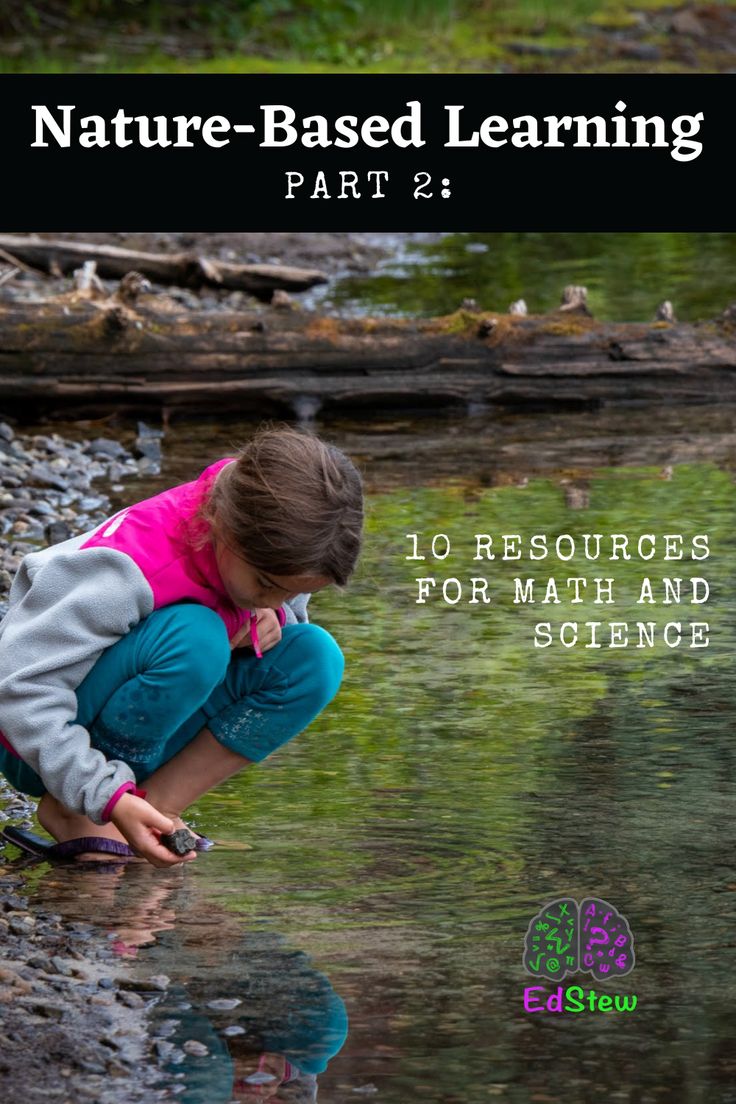
Nature-based learning is an educational approach that emphasizes the importance of integrating nature and outdoor experiences into children’s education. This method of teaching has been practiced for centuries, with indigenous communities being some of the first to incorporate it into their educational systems.
The philosophy behind nature-based learning is rooted in the idea that spending time in nature can have significant benefits for children’s physical, emotional, and intellectual development. Studies have shown that exposure to natural environments can improve mental health, reduce stress levels, increase creativity and problem-solving skills, as well as boost academic performance.
Nature-based learning programs can take many forms; from outdoor classrooms to wilderness immersion programs or forest schools. In these settings, students are encouraged to explore their surroundings while engaging in hands-on activities such as gardening, hiking, wildlife observation or even building structures using natural resources.
One key aspect of this approach is its emphasis on experiential learning – where lessons are taught through direct experience rather than traditional classroom lectures. For example, a group of students who spend a day exploring a nearby forest may learn about ecology by observing different species in their natural habitats and understanding how they interact with each other.
The benefits of nature-based education go beyond just academic achievement; it also fosters a deeper connection between children and the environment around them. Through this connection comes an increased sense of responsibility towards preserving our planet’s natural resources.
In conclusion, Nature-based learning provides an innovative way for children to engage with their environment while developing essential life skills such as critical thinking and problem-solving abilities. These programs offer an alternative approach to traditional schooling models by emphasizing experiential education through active involvement with the natural world. Overall it promotes holistic child development while fostering environmental stewardship among future generations.
 Alternative Amie
Leave a comment