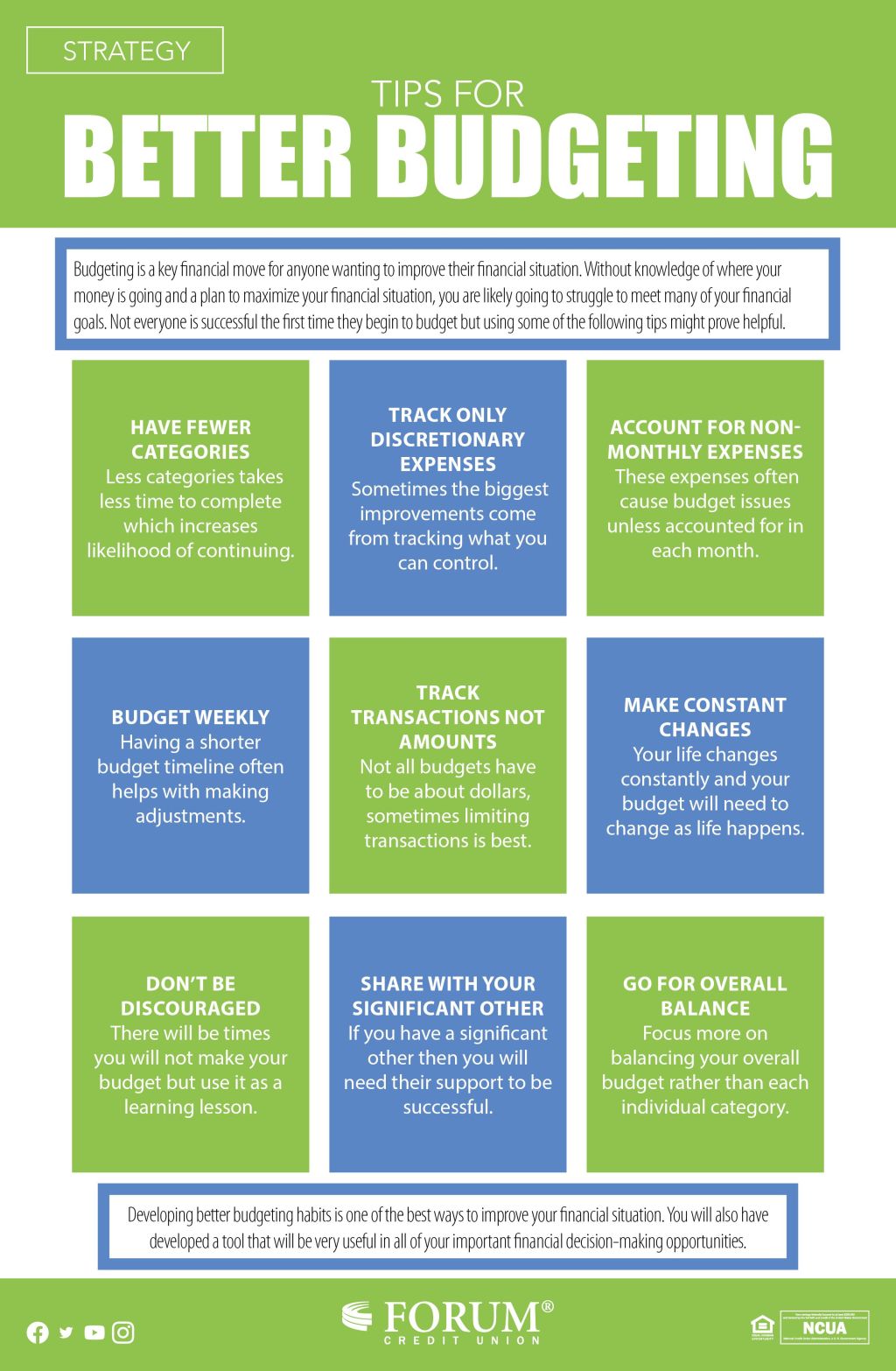
Budgeting is an essential skill that everyone should learn. It involves tracking your income and expenses to ensure you are spending within your means, saving for the future, and avoiding debt. In this post, we’ll explore some budgeting tips that can help you manage your finances effectively.
The first step in budgeting is to understand your income and expenses. This includes knowing how much money you earn each month from all sources of income, including salary, side hustles, investments, or any other source of revenue. You also need to know how much money you spend each month on bills such as rent/mortgage payments, utilities, groceries, transportation costs (including gas), entertainment expenses like dining out or movies tickets.
Once you have a clear understanding of your monthly cash flow situation in terms of inflows and outflows, create a realistic budget plan based on this information. Your budget plan should outline what percentage of your income goes towards each expense category while allowing room for savings or unexpected expenses.
It’s important to track every penny spent during the month so that you can make adjustments if needed. This requires discipline because it’s easy to overspend on non-essential items such as impulse buys at the store or online shopping sprees.
One effective way to stick with a budget is by using cash envelopes for different expense categories like groceries or entertainment. This forces accountability since once the envelope runs dry; no more spending until next payday! Another helpful tip is using financial apps that track every dollar spent automatically by categorizing them into different categories like food & drinks or transportation expenses.
If possible try negotiating with service providers about reducing recurring bills like cable TV subscriptions or phone plans – this could save hundreds per year!
Consider cutting back on discretionary spending habits like eating out frequently instead meal prepping ahead time which saves both time and money while being healthier too! Additionally finding inexpensive hobbies such as reading books from public libraries rather than buying new ones could be a great alternative.
Finally, it’s important to make saving a priority in your budget. This means setting aside money each month towards an emergency fund or long-term goals like buying a house or retirement savings. Even if it’s just $50 per paycheck, this will add up over time and help you achieve your financial goals.
In conclusion, Budgeting is a valuable skill that can help individuals take control of their finances by tracking income and expenses, creating realistic plans based on these figures while still allowing for room to save and unexpected expenses. With discipline and consistency in implementing the above tips, anyone can become proficient at managing their finances effectively!
 Alternative Amie
Leave a comment