Introduction
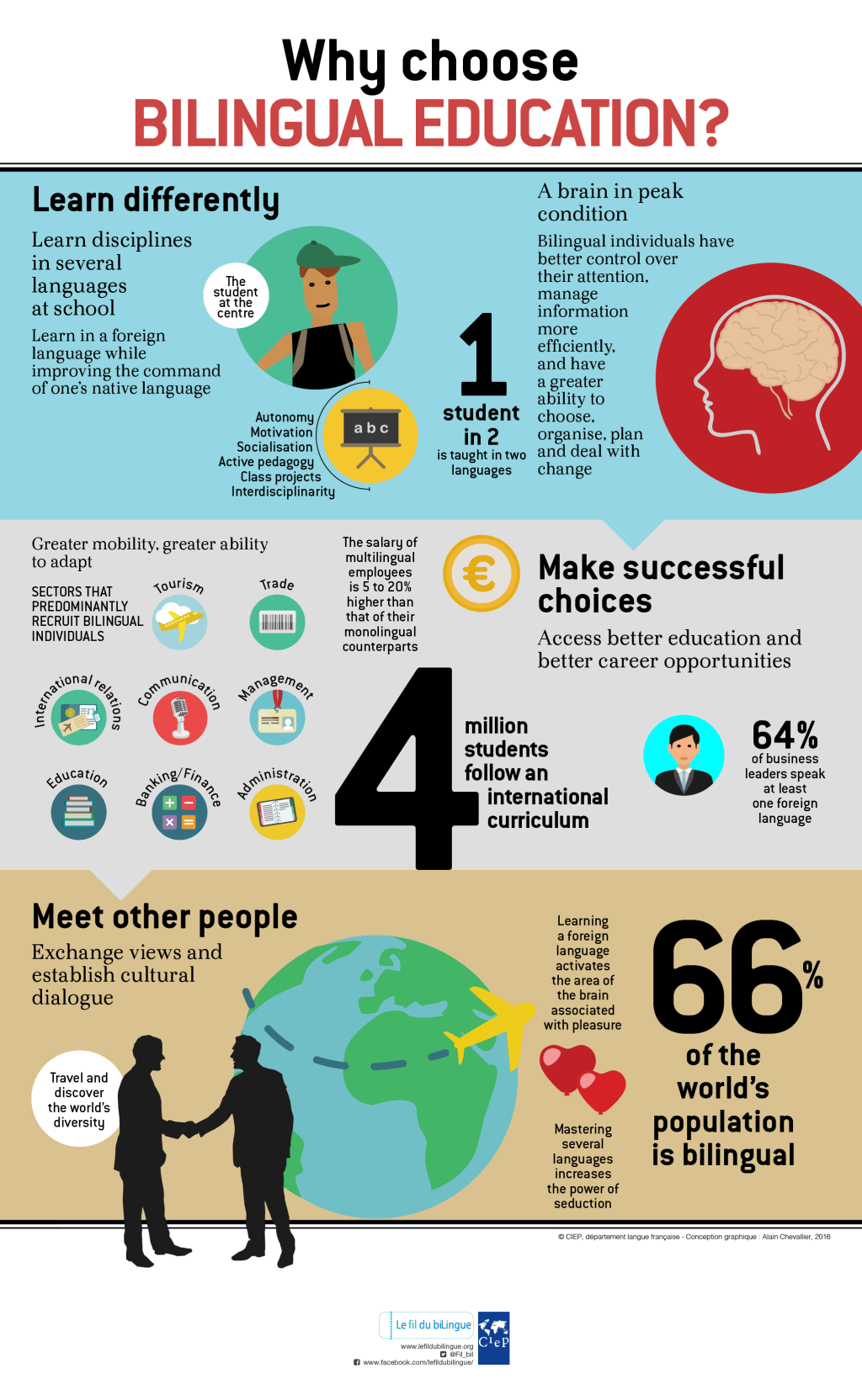
Bilingual education is an educational program that teaches academic content in two languages. The objective of this approach is to give students the opportunity to become proficient in both languages, while also learning core subjects such as math, science, and social studies. Technology has played a significant role in facilitating bilingual education by making it more accessible and interactive for students.
In this article, we will explore how technology has impacted bilingual education and how educators can leverage technology to enhance student learning.
Advantages of Technology in Bilingual Education
1. Interactive Learning: Technology provides opportunities for interactive learning, which enhances language acquisition. For example, online language games and audio-visual materials engage students by providing immersive experiences that help them better understand the language they are learning.
2. Distance Learning: With advancements in technology, distance learning has become easier than ever before. Students who may not have access to traditional classroom settings can now learn remotely using digital platforms like Zoom or Google Meet.
3. Accessible Resources: Digital resources such as e-books and videos are readily available online for teachers and students alike. These resources offer a wealth of information on various topics across multiple languages.
4. Personalized Learning: With the use of adaptive software programs that adjust to individual student needs based on performance data analysis, personalized learning becomes possible with technology integration into bilingual classrooms.
5. Collaboration Opportunities: Online collaboration tools like Google Docs allow for group work between students regardless of their location or time zone differences; thus allowing for multicultural perspectives on assignments & projects.
Disadvantages of Technology In Bilingual Education
While there are many advantages to using technology in bilingual education, there are some disadvantages too:
1) Limited Interpersonal Interaction – One potential downside of using technology is that it can limit interpersonal interaction between students because much communication occurs through screens rather than face-to-face interactions;
2) Digital Divide – Another disadvantage is the possibility that not all learners have equal access to technological devices or internet connectivity; thus creating a digital divide in the classroom;
3) Cost – Some advanced technological tools may come at a very high cost, which makes it expensive for some schools to implement them.
Best Practices for Integrating Technology into Bilingual Education
1. Ensure Access: To ensure that all students have equal access to technology, schools should provide students with devices such as tablets or computers and establish internet connectivity distribution systems.
2. Professional Development: Educators need adequate training on how to use technology effectively in bilingual education. Teachers can attend workshops or online courses that offer guidance on how to integrate technology into their lessons.
3. Choose Appropriate Tools: When selecting educational technology tools, teachers should consider those that align with the curriculum and learning objectives of the class while also being age-appropriate.
4. Engage Students: It’s essential to engage students actively in their learning through interactive activities that use various multimedia resources like videos, podcasts & games;
5. Monitor Progress: Regular monitoring of student progress is critical when implementing technology in bilingual classrooms because it allows educators to identify areas where learners are struggling and adjust instructional methods accordingly.
Conclusion
Technology has undoubtedly transformed many aspects of modern-day society, including bilingual education programs worldwide. By integrating appropriate technological tools into language instruction, educators can help their students develop proficiency faster while enhancing engagement levels throughout the learning process.
However, schools must be mindful of potential disadvantages such as limited interpersonal interaction, digital divide issues & price when incorporating these new technologies into their curricula and pedagogy practices ultimately providing well-rounded opportunities for diverse learners’ success regardless of language barriers they may face outside the classroom setting
 Alternative Amie
Leave a comment