Upcycling and repurposing in maker education
Maker education is an approach to teaching and learning that emphasizes hands-on, project-based activities that encourage creativity, critical thinking, and problem-solving skills. One important aspect of maker education is the use of upcycling and repurposing materials. This involves taking discarded or unused items and turning them into something useful or beautiful.
Upcycling and repurposing are not only environmentally friendly but also provide a valuable learning experience for students. By using their imaginations to turn trash into treasure, students can develop resourcefulness, ingenuity, and practical skills.
There are many ways to incorporate upcycling and repurposing into maker projects. Here are some ideas:
1. Junk sculptures: Students can create sculptures from found objects such as old toys, broken electronics or appliances, scraps of wood or metal, etc. They can work individually or in teams to design and build their creations.
2. Fashion design: Students can design clothing or accessories using recycled fabrics or other materials such as plastic bags, bottle caps, etc.
3. Furniture design: Students can create furniture pieces from reclaimed wood pallets or other discarded items.
4. Garden art: Students can make garden decorations such as birdhouses or planters from recycled materials like tin cans, wine bottles or old dishes.
5. Upcycle challenges: Teachers could present students with a challenge where they must take a specific item (like paperclips) and creatively find new uses for them over the course of the week/month/semester/etc., reporting back on what they created every day/week/month/etc.
Incorporating indigenous knowledge into maker projects
Indigenous knowledge refers to the traditional knowledge systems developed by native peoples over generations through direct contact with nature in their respective regions around the world that have been passed down orally between generations rather than being recorded in writing methods we know today.
One way to honor this Indigenous Knowledge in maker education is to incorporate it into the design and creation of projects. This can include using traditional techniques or materials, incorporating indigenous symbols or art styles, or exploring indigenous perspectives on sustainability and conservation.
For example, students could:
1. Use traditional weaving techniques to create textiles for clothing or home decor.
2. Incorporate storytelling in their maker projects to honor oral traditions within Indigenous communities.
3. Create traditional tools such as bow and arrows, flutes and drums while learning about the significance of these items in different Indigenous cultures.
4. Explore how Indigenous Peoples work with nature to sustainably manage natural resources like plants/herbs/animals that they use in their daily lives through agricultural practices from generation to generation
Maker education for students with disabilities
Maker education can be a powerful tool for engaging students with disabilities in hands-on learning experiences that build self-esteem, confidence, independence and more importantly give them autonomy over what they learn because they are creating something themselves which directly impacts their life experience.
Here are some ways that teachers can make maker education accessible for all learners:
1. Provide adaptive tools: Students with physical disabilities may require special tools such as modified scissors or stabilizing devices when working on projects that involve cutting or drawing/painting/etc., allowing them greater ease of use during activities.
2. Make adjustments as needed: Teachers should ensure that all materials provided are easily accessible by making sure there is enough space between tables/chairs/equipment so everyone has enough room without feeling crowded out or excluded from the activity.
3. Collaborative peer support: Encourage collaboration among peers where someone who needs assistance can team up with another student who is more physically proficient thus creating an inclusive environment for all learners regardless of their differences whether visible/invisible.
4. Sensory considerations: Students with sensory processing disorders may need additional accommodations such as noise-cancelling headphones if loud noises bother them during maker activities involving drilling/sawing/etc., also tactile sensory items like fabrics with different textures, or scented playdough can be used in maker activities to help students feel more grounded and less anxious.
Using maker education to teach financial literacy
Maker Education is not only about creating something new but also about understanding the cost of materials and tools needed for projects. Teaching financial literacy through Maker Education can help students learn how to budget their money wisely while also learning practical skills that will serve them well into adulthood.
Here are some ideas for incorporating financial literacy into maker projects:
1. Budgeting: Students could create a budget for their project which includes all costs associated with it such as materials, tools/equipment, and transportation expenses if necessary.
2. Marketing: Once the project has been completed, students could market their product by designing and printing flyers or posters that can be displayed around school/community centers/other public spaces where people might be interested in purchasing what they’ve made–giving them real-world experience in advertising/marketing strategies.
3. Inventory management: Students could keep track of inventory levels by creating an excel spreadsheet that lists all supplies used during each project ensuring they have enough on hand before starting another one while keeping track of funds spent thus far helping them understand basic accounting practices.
4. Profit & Loss Statements: Students should know how much profit they make from each sale made after calculating the total cost of production including labor/time involved so they can evaluate profitability over time making better decisions regarding future pricing strategies depending on demand/supply trends within local markets.
Maker education for early childhood development
Early childhood is a critical period when children’s brains are developing at an exponential rate therefore providing opportunities for hands-on exploration is important when encouraging creativity, curiosity, problem-solving skills among others essential cognitive faculties required throughout life’s journey ahead!
Here are some ways that teachers can use maker education to support early childhood development:
1. Sensory Exploration- Create tactile sensory experiences using various materials like playdough, homemade slime, sandboxes or water tables to stimulate their sensory skills.
2. Building- Provide blocks of different shapes and sizes that children can use to build structures helping them develop spatial awareness and hand-eye coordination.
3. Art- Incorporating art into maker education activities is a great way for children to express themselves creatively while developing fine motor skills.
4. Storytelling- Encourage storytelling through bookmaking where students create books using their own illustrations and stories as well as puppetry which helps stimulate imagination by giving them an opportunity to create characters with unique personalities they can perform with.
5. Problem-solving games/activities: Games like puzzles, tangrams or memory matching games help boost problem-solving abilities in young learners while also fostering creativity when they need to come up with solutions on how best to solve each puzzle or match the most number of cards possible!
The role of failure in maker education
Failure is often considered a negative outcome but it’s actually one of the most valuable experiences we can have especially within Maker Education because it creates space for learning what doesn’t work before finding out what will work!
Here are some ways that teachers can encourage students to embrace failure:
1. Cultivate a Growth Mindset: Teachers should emphasize the importance of growth mindset where mistakes are seen as opportunities for learning rather than something shameful–encouraging students not only learn from their failures but also accept that setbacks are part of any creative process.
2. Celebrate Failure: When something goes wrong during a project, highlight why it didn’t work without shaming anyone involved then challenge everyone present at the time brainstorming alternative approaches until they find one that works better next time around thus creating an inclusive environment where everyone feels heard regardless if things do not go according to plan initially.
3. Reflection & Learning Outcomes: After every project encourage reflection by having students analyze what went wrong/right/what could be improved upon next time without placing blame on anyone. This helps students see the bigger picture, and think critically about how they can improve their work next time.
Maker education for social justice
Social Justice is a critical topic that educators should not shy away from especially in Maker Education because it provides opportunities to create projects that challenge societal norms while promoting inclusivity regardless of background, race or ethnicity among other things important when nurturing an inclusive environment.
Here are some ways teachers can incorporate social justice into maker education:
1. Community Engagement: Teachers could encourage students to develop projects that address issues impacting society such as homelessness or food insecurity, then use these projects as means of raising awareness within their local communities by conducting outreach efforts like speaking with community leaders/organizing fundraising events/etc.
2. Intersectionality: Projects should reflect the intersectionality between different forms of oppression (gender inequality, racial discrimination) thereby encouraging students to consider multiple perspectives and find creative solutions addressing each one effectively.
3. Diverse Representation: Encourage students to represent diverse backgrounds when developing projects giving everyone a voice regardless of their differences so they feel included/included in what’s being created together as part of the larger whole.
Combining maker education with outdoor learning
Maker Education combined with Outdoor Learning is a great way for children/students who thrive outdoors/need fresh air regularly! They get an opportunity to learn practical skills while also enjoying nature thus providing them with holistic educational experiences essential for growth & development both personally/professionally!
Here are some ideas on combining Maker Education with Outdoor Learning:
1. Nature Crafts- Encourage creativity by having kids make crafts using natural materials found outdoors like pine cones, leaves or flowers etc., which also helps promote environmental sustainability while fostering imagination among young learners.
2. Gardening- Children can learn how plants grow by planting seeds in pots, tending them daily until they sprout then transfer them outside once mature enough allowing kids hands-on experience caring for living organisms thus teaching them about responsibility and environmental stewardship.
3. Outdoor Workshops- Teachers can conduct workshops outside where students create art, build structures or engage in other maker projects while enjoying fresh air and sunshine creating an inclusive environment for everyone!
4. Nature Scavenger Hunts: Children can learn about different types of plants/animals by participating in scavenger hunts that require them to identify various species within their local areas thereby fostering curiosity among young learners while also promoting environmental awareness/sustainability practices.
The intersection of art and technology in maker education
Art & Technology are two seemingly different subjects but when combined through Maker Education they provide unique opportunities for exploring creativity using tools like 3D printers, digital drawing software or even audio recording equipment as a means of expressing oneself creatively!
Here are some ways teachers can incorporate the intersection of art & technology into maker education:
1. Digital Art Projects- Encourage students to use digital drawing software such as Adobe Photoshop or Illustrator when developing artwork during projects allowing them greater control over what’s being created than if working with traditional mediums only!
2. Music Production- Students could explore music production using audio recording/editing software like GarageBand then upload/share their creations online with others thereby creating a community around music making not limited by geography.
3. Video Editing- Film-making is another area where combining Art & Technology provides valuable learning experiences giving students an opportunity to develop video editing skills which are highly sought after within the industry today!
Using virtual reality in maker projects
Virtual Reality (VR) has become increasingly popular due largely because it offers immersive experiences that simulate real-life situations without any actual risk involved whatsoever! This makes it an excellent tool when incorporating Maker Education especially within fields involving science, engineering and more helping students understand complex concepts better before moving on to hands-on experiments later.
Here are some ideas on how VR can be incorporated into Maker Education:
1. Virtual Field Trips: Teachers could use VR to take students on virtual field trips where they can explore different parts of the world, learn about different cultures and environments thereby fostering curiosity among young learners.
2. 3D Modeling: Students could create digital versions of real-world objects using 3D modeling software then print their creations using a 3D printer thus allowing them to see what they’ve created in real-life enhancing learning experiences by having tangible takeaways from each project.
3. Game Development- Encourage students to design games or simulations for others to play/interact with as part of larger projects giving them an opportunity to develop programming skills while also promoting creativity and problem-solving abilities among young learners.
Maker education for sustainable living
Maker Education provides opportunities for students to learn about sustainability practices which are becoming increasingly important due largely because our planet is facing significant environmental challenges today! Thus teaching kids how best we can protect it should be at the forefront when considering Maker Education!
Here are some ideas on how teachers can incorporate sustainable living into Maker Education:
1. Upcycling & Repurposing: Encourage students to use upcycling techniques when developing projects by repurposing materials that would otherwise go in landfills helping teach them the value of recycling/reusing items already present within their homes/schools/etc., rather than throwing things away without thinking twice about it!
2. Composting & Gardening: Children can learn valuable lessons about composting/gardening by participating in such activities firsthand since both involve interacting with natural systems while cultivating healthy habits that will serve them well throughout life’s journey ahead!
3. Energy Conservation: Teach children about energy conservation practices like turning off lights/appliances when not in use or even designing solar-powered devices/projects requiring zero electricity consumption altogether – this helps teach kids how small steps taken every day make a huge impact collectively over time reducing our carbon footprint considerably!
Incorporating mindfulness practices into maker activities
Mindfulness practices have been shown to help reduce stress, anxiety and depression among other things important when nurturing a healthy learning environment through Maker Education.
Here are some ways teachers can incorporate mindfulness practices into maker activities:
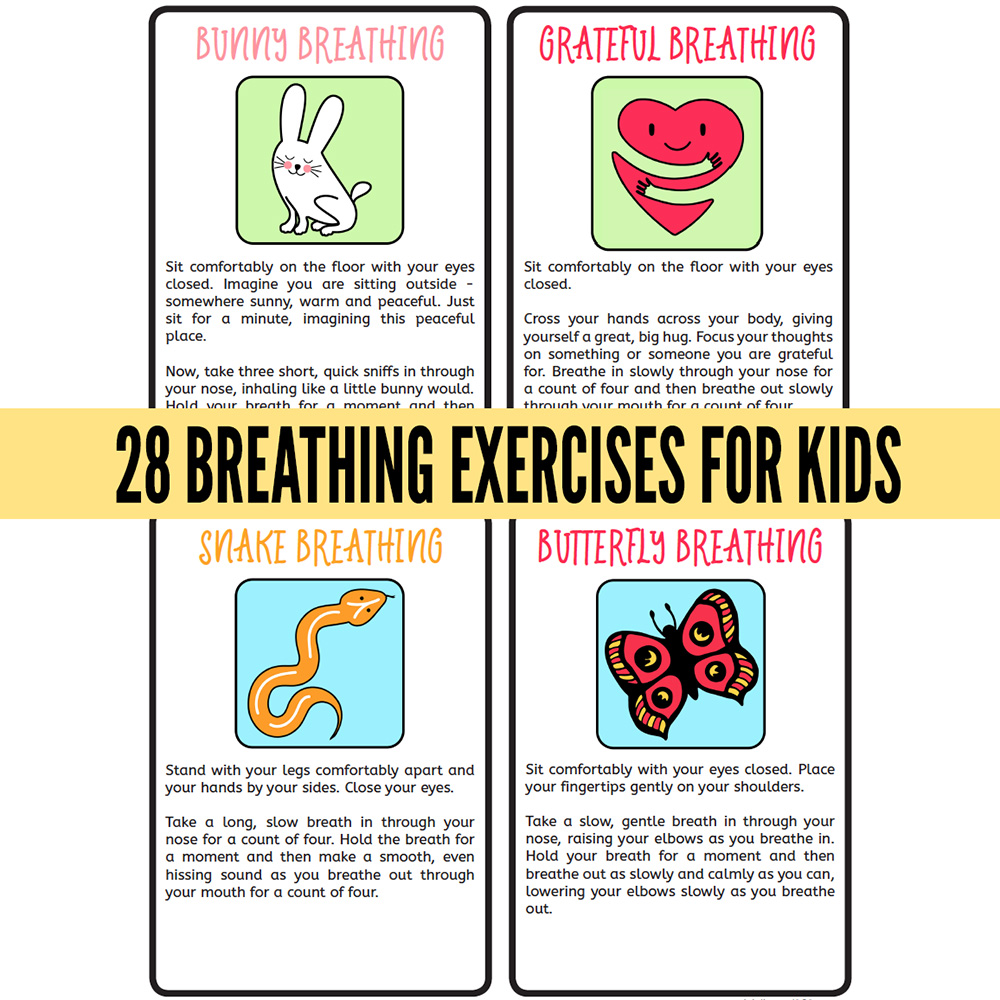
1. Mindful Breathing: Encourage students to practice mindful breathing exercises during maker activities by taking deep breaths in/out while focusing on their breath or even counting slowly from 10-0 then back up again as part of larger projects providing them with tools they can use anywhere, anytime needed.
2. Guided Meditation: Teachers could play guided meditations for children during maker projects helping them relax and focus better on what’s being created without getting distracted by the outer world around them thus enhancing learning experiences over time!
3. Gratitude Exercises: Encourage students to take breaks throughout longer projects/sessions where they reflect back on what they’ve accomplished so far expressing gratitude for each small win along the way thereby promoting positive thinking patterns which contribute positively towards emotional well-being overall!
Maker education for rural communities
Rural communities often lack access to educational resources which makes Maker Education an attractive option since it doesn’t require much beyond basic materials/tools available locally! This provides unique opportunities for empowering these communities with practical skills that will serve them well economically/socially over time within their local areas too!
Here are some ideas on how teachers can incorporate Maker Education within rural communities:
1. Agricultural Practices: Children could learn about sustainable farming practices like composting, crop rotation or even aquaponics via hands-on experiments/projects designed specifically for rural settings promoting environmental sustainability while fostering creativity/innovation among young learners.
2. Traditional Crafts & Skills: Honor indigenous traditions/crafts by incorporating such knowledge into maker education programs creating meaningful connections between past/present generations thus preserving culture/history overall;
3. Community Projects: Students could develop community-based projects centered around issues impacting rural areas such as water conservation or waste management thereby empowering locals with practical solutions that benefit everyone involved;
Using biomimicry in maker projects
Biomimicry is the practice of using nature as inspiration for designing products, systems or even buildings that are more sustainable/environmentally friendly overall. This approach can be incorporated into Maker Education programs since it offers unique opportunities for exploring creative solutions through hands-on experimentation.
Here are some ideas on how teachers can incorporate Biomimicry within Maker Education:
1. Nature Walks: Encourage students to go on nature walks while observing various plants/animals present within their local ecosystems then use what they’ve learned as inspiration when developing maker projects aimed at addressing environmental issues facing our planet today!
2. 3D Printing/Prototyping: Students could create 3D models of natural organisms like seashells or even leaves then use these designs as templates when building larger structures during maker activities/projects promoting innovation and creativity among young learners.
3. Environmental Awareness Campaigns: Children could come up with campaigns designed to raise awareness around different environmental challenges affecting our planet today by creating posters/flyers/brochures/etc., using materials found locally thereby promoting community involvement too!
The importance of diversity and inclusivity in maker education
Diversity and Inclusivity is important when considering Maker Education because everyone should have access to educational resources regardless of their background/race/gender/orientation among other things! Fostering an inclusive environment that embraces differences rather than shaming them provides valuable learning experiences for all involved especially younger generations who will shape society’s future moving forward.
Here are some ways teachers can promote Diversity & Inclusivity within Maker Education:
1. Multicultural Projects: Incorporate multicultural perspectives/experiences into maker projects thereby encouraging students from diverse backgrounds to participate fully in each project enhancing cultural awareness among young learners over time.
2. Collaboration Opportunities: Encourage teamwork/collaboration between peers where someone who needs assistance teams up with another student thus creating an inclusive environment where everyone feels heard regardless of their differences whether visible/invisible.
3. Gender Equality: Encourage girls/boys to participate equally in maker activities/projects by providing them with tools/materials designed specifically for each gender’s needs thereby promoting inclusivity and diversity overall!
Incorporating music and sound design into maker projects
Music & Sound Design are two critical fields within Maker Education because they provide unique opportunities for students to explore creative solutions using audio-based mediums which can be used across various industries such as film, video games or even advertising/marketing campaigns among others.
Here are some ways teachers can incorporate Music/Sound Design into Maker Education:
1. Audio Recording Sessions: Students could record sounds from nature or everyday life then use these recordings as inspiration when designing maker projects aimed at addressing different issues impacting our planet today thus fostering creativity/innovation among young learners over time!
2. Video Editing/Film-making: Teach children how to edit videos/films while incorporating music/sound effects thereby enhancing learning experiences promoting emotional expression through art-forms that speak volumes about who we are individually/culturally speaking too!
3. Podcasting/Radio Broadcasting: Children could learn how to produce podcasts/radio shows by recording interviews with peers/community members/etc., then editing/posting online for others to listen-sharing knowledge/experiences/stories that might not have been shared otherwise without this medium giving them a voice worth listening too!
Maker education for mental health and well-being
Mental Health & Well-Being is crucial when considering Maker Education since it provides opportunities for empowering students with practical skills necessary when coping with stress/anxiety/depression among other challenges facing younger generations today.
Here are some ideas on how teachers can promote Mental Health & Well-Being through Maker Education:
1. Mindful
 Alternative Amie
Leave a comment