In recent years, the concept of flipped classrooms has gained immense popularity among educators and students alike. Flipped classrooms are an alternative approach to traditional teaching methods that flip the roles of teachers and students.
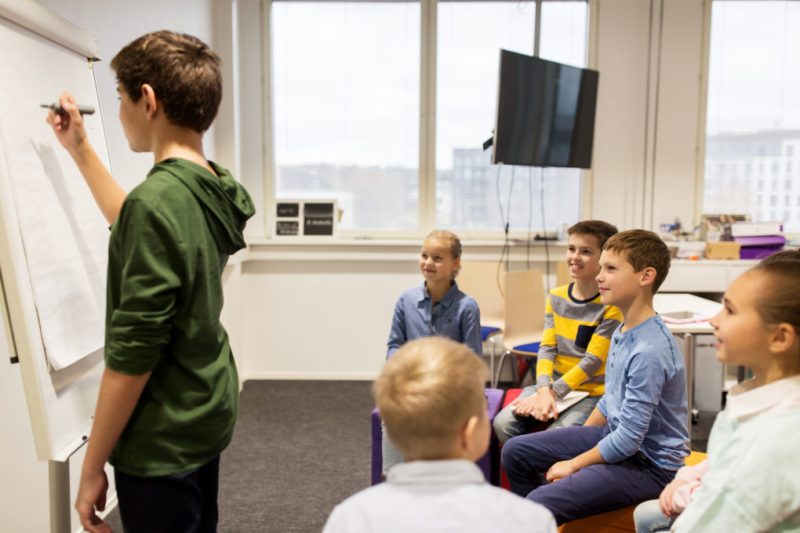
In a flipped classroom, teachers provide students with pre-recorded lectures or videos that they can access outside of class time. Students watch these videos at home or any other location convenient for them. During class time, instead of sitting through lectures, students engage in collaborative activities such as discussions, debates or projects that apply the concepts learned from the video.
This innovative teaching strategy offers several benefits over traditional classroom instruction. Firstly, it allows for more personalized learning since students can learn at their own pace and replay lectures if they don’t understand a concept the first time around. Secondly, it encourages active participation by engaging students in interactive activities during class time rather than just passively listening to lectures. Lastly, it frees up valuable classroom time for deeper discussions and more meaningful interactions between teachers and students.
Flipped classrooms have been implemented successfully across various subjects ranging from mathematics and science to language arts and social studies. The approach has also been embraced by educators at all levels from elementary school to college level courses.
One notable example of successful implementation is Clintondale High School in Michigan which was struggling with low graduation rates when Principal Greg Green introduced flipped classrooms in 2011. Within two years after implementing this new approach to learning, graduation rates increased significantly from 63% to 90%, making Clintondale one of the most successful high schools in Michigan.
Another benefit of flipped classrooms is its flexibility in accommodating different learning styles as well as different schedules. By providing recorded lectures online outside regular classroom hours, it enables working adults who seek further education opportunities greater flexibility without compromising on quality education.
Despite its numerous advantages however there are criticisms leveled against flipping classrooms such as concerns about accessibility particularly among disadvantaged communities where internet access may be limited; additional workload for some educators who may have to produce videos for each lesson; and the possibility of students disengaging from lectures altogether without direct supervision.
Nonetheless, many educators remain optimistic about flipped classrooms and continue to explore innovative ways to integrate technology into their teaching methods. As such, it is clear that flipped classrooms are not just a passing fad but rather an alternative approach that has proven successful in improving student learning outcomes.
In conclusion, flipped classrooms offer a promising alternative to traditional classroom instruction by promoting personalized learning, active participation and deeper engagement between teachers and students. While there may be challenges with its implementation, these can be overcome through careful planning and consideration of individual needs. As we look towards the future of education, it is safe to say that flipping the classroom will continue to play a significant role in shaping how we learn.
 Alternative Amie
Leave a comment