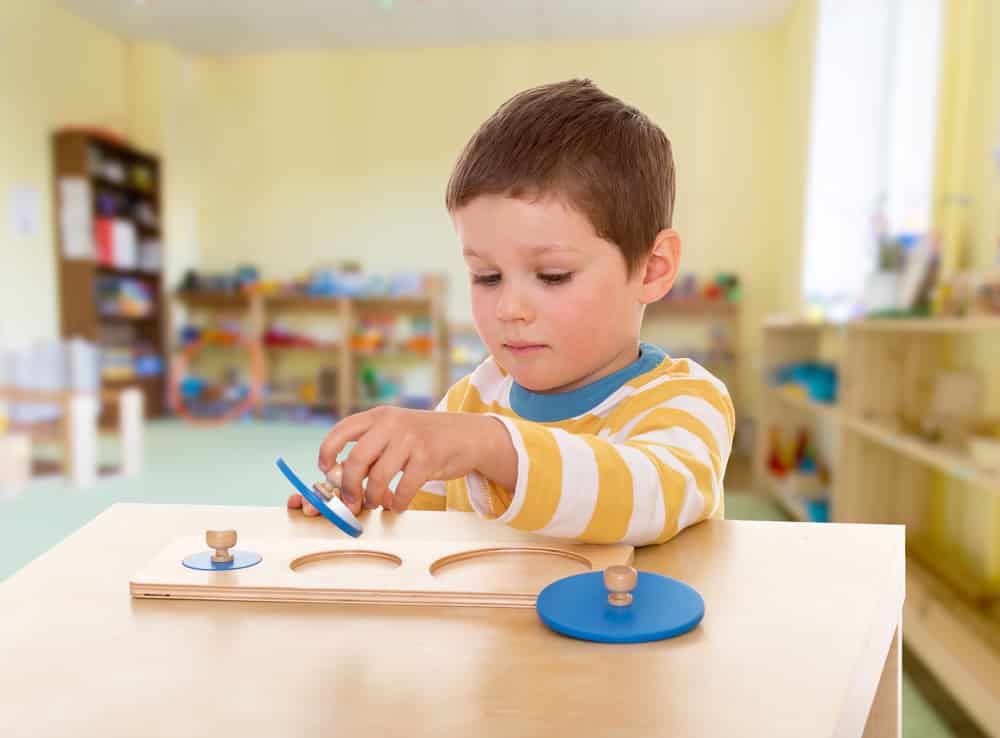
Montessori education is a unique and holistic approach to learning that focuses on supporting the development of the whole child. Founded in 1907 by Dr. Maria Montessori, this method emphasizes independence, self-direction, and hands-on learning experiences.
In this Q&A style post, we will explore various subtopics related to the Montessori method and how they can be incorporated into the classroom environment.
1. Montessori-inspired outdoor learning environments
Montessori education recognizes the importance of providing children with opportunities to learn in natural settings. Outdoor learning environments offer diverse sensory experiences that help children develop their gross motor skills, spatial awareness, and sense of balance. These spaces may include gardens for growing plants or vegetables, water play areas, sandboxes, climbing structures or nature trails.
2. The role of sensory play in Montessori education
Sensory play is an essential component of Montessori curriculum as it helps children refine their senses while also engaging them in meaningful exploration and experimentation. This type of play provides opportunities for children to engage all five senses through activities such as smelling different herbs or spices or playing with tactile materials like sand or water.
3. Incorporating nature-based learning into the Montessori curriculum
Nature-based learning teaches children about sustainability and environmental stewardship while developing a deep appreciation for our planet’s natural resources. This can be achieved through outdoor activities like gardening, composting or waste reduction initiatives.
4. The benefits of mixed-age classrooms in Montessori schools
Mixed-age classrooms are one of the hallmarks of a traditional Montessori program where students across multiple age groups share a single classroom space with guidance from teachers who foster independent thinking and collaboration among peers.
This model allows older students to take on leadership roles within their classroom community while younger students benefit from observing more experienced peers modeling appropriate behavior and academic tasks.
5. Supporting children’s independence through the Montessori approach
The Montessori approach emphasizes the importance of supporting children’s independence and self-direction. Teachers provide opportunities for students to take ownership of their learning, making choices about what they want to learn and how they want to learn it.
6. The importance of practical life skills in Montessori education
Practical life skills are essential for developing self-sufficiency and independence in children. These skills include dressing oneself, preparing meals, cleaning up after oneself or using household appliances safely.
Montessori classrooms incorporate these skill-building activities into daily routines so that students can develop mastery over them while also feeling empowered by contributing meaningfully to their classroom community.
7. Using technology in a Montessori classroom
While the Montessori method is often associated with traditional materials like wooden blocks or sandpaper letters, technology can be incorporated into the curriculum when appropriate. This might include digital learning tools or educational apps that support student-centered learning and provide opportunities for differentiated instruction.
8. The role of art and creativity in the Montessori curriculum
Artistic expression is an integral part of the Montessori curriculum as it supports creative thinking, problem-solving abilities and emotional regulation among children. Art activities may include drawing, painting, sculpting or crafting projects that allow students to express themselves freely while also developing fine motor skills.
9. Incorporating music and movement into the Montessori approach
Music and movement are used to engage all five senses while promoting physical activity during class time which helps keep students focused on learning tasks throughout the day.
10. Supporting social-emotional development in a Montessori environment
Montessori education recognizes that social-emotional development is crucial for academic success later on down the line; therefore teachers prioritize creating safe spaces where children feel valued as individuals within a larger community setting.
11. The use of manipulatives and hands-on materials in a Montessori classroom
Manipulatives help young learners understand abstract concepts by providing tangible, concrete examples of mathematical or scientific principles at work. Materials like wooden blocks, beads, and puzzles help children develop their problem-solving abilities while also engaging with the world around them in a meaningful way.
12. How to incorporate cultural diversity into a Montessori curriculum
Montessori education emphasizes the importance of fostering cultural awareness and appreciation among students from diverse backgrounds. Teachers can use storytelling or other forms of narrative-based teaching to expose children to different cultures and promote empathy for those who may be different than themselves.
13. Supporting language development through the Montessori approach
The Montessori method is well-known for its emphasis on early literacy skills acquisition as it helps set the stage for future academic success later on in life. Language development activities may include phonics lessons, reading aloud together as a group or individualized instruction based on student needs.
14. Using storytelling as a teaching tool in a Montessori classroom
Storytelling offers unique opportunities for teachers to engage students’ imaginations while also promoting critical thinking skills by encouraging them to analyze plot points or character motivations throughout the story’s progression.
15. Incorporating mindfulness practices into the daily routine of a Montessori school
Mindfulness practices such as deep breathing exercises, meditation or yoga can help students achieve greater emotional regulation while also improving focus and attention span during class time.
16. Understanding the role of observation and assessment in a Montessori environment
Observation is an essential component of any Montessori program; teachers closely monitor student progress over time so they can provide targeted interventions when necessary that support individual learning goals rather than relying solely on standardized testing results.
17. Supporting children with special needs within a Montessori setting
Montessori education emphasizes personalized learning plans that take into account each child’s unique strengths and weaknesses; this means that students with special needs are given equal consideration alongside their typically developing peers regarding curricular planning decisions which allows them to learn and grow at their own pace.
18. Exploring the history and philosophy behind the Montessori method
Dr. Maria Montessori’s research into early childhood development revolutionized educational theories of her time, leading to new methods for engaging children in meaningful learning experiences that have stood the test of time over a century later.
19. Creating an inclusive community within a Montessori school setting
Montessori education prioritizes creating safe spaces where all students feel valued as individuals within a larger community setting; this means promoting diversity, equity, and inclusion among peers while also supporting student-directed learning opportunities that foster independence and self-sufficiency.
20. Incorporating movement and physical activity into the daily routine of a Montessori school
Movement breaks are essential components of any successful classroom environment as it allows students to burn off excess energy while also helping them maintain focus on academic tasks throughout the day; this can include structured activities like yoga or unstructured playtime outdoors which allows children to explore their natural surroundings freely.
In conclusion, Montessori education is unique in its holistic approach to supporting child development through personalized instruction tailored specifically towards individual strengths and weaknesses alongside fostering empathy, cultural awareness, emotional regulation skills acquisition among other important skillsets necessary for success later on in life. Teachers who incorporate these principles into their classrooms help create environments that promote curiosity, exploration discovery amongst young learners who are empowered with confidence from active engagement throughout every step along their journey towards becoming lifelong learners!
 Alternative Amie
Leave a comment