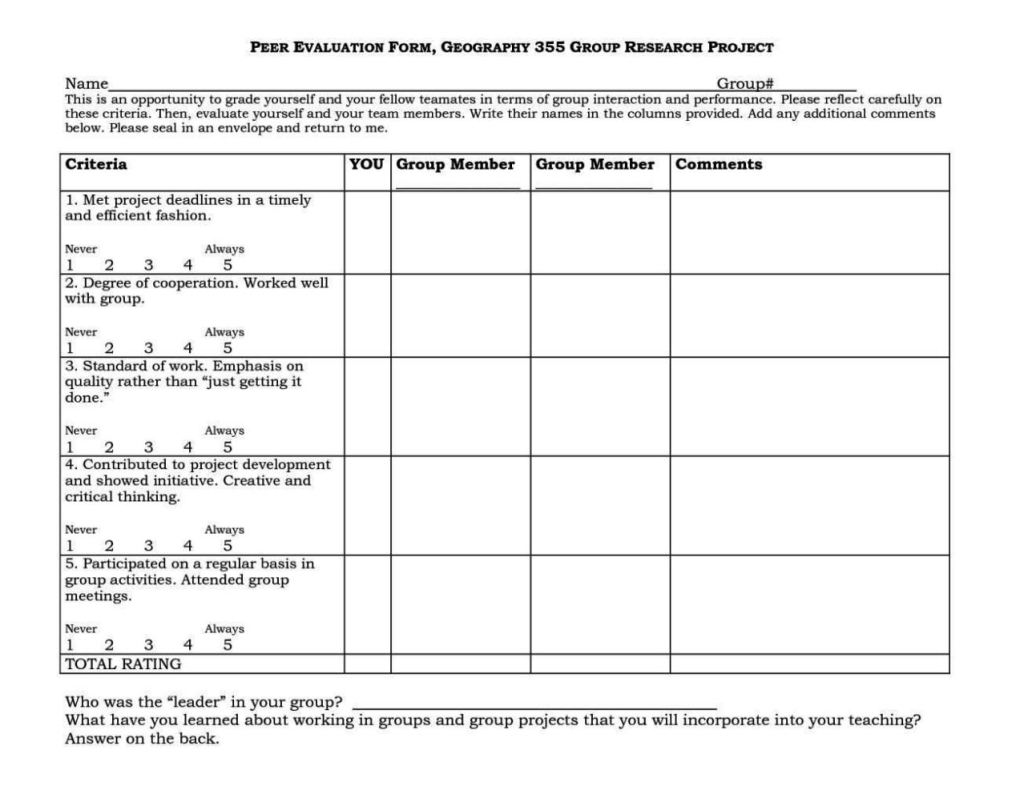
Student-led peer assessment is a powerful tool for promoting self-directed learning and improving student outcomes. This innovative approach to assessment involves students evaluating the work of their peers, providing feedback on strengths and weaknesses, and collaborating to identify areas for improvement.
One of the main benefits of student-led peer assessment is that it encourages students to take responsibility for their own learning. By giving them ownership over the evaluation process, they become more invested in their work and develop a greater sense of accountability. This can lead to increased motivation, engagement, and achievement.
Another advantage of this approach is that it allows teachers to focus more on individualized instruction. Because students are taking an active role in assessing each other’s work, teachers can spend less time grading papers and more time working one-on-one with students who need extra support or guidance.
Student-led peer assessment also promotes critical thinking and communication skills. In order to provide constructive feedback, students must carefully analyze each other’s work, identify areas where improvement is needed, and communicate their observations effectively. This helps them develop important 21st century skills such as collaboration, problem-solving, and effective communication.
To implement student-led peer assessment successfully in the classroom requires careful planning and preparation by teachers. Before beginning an assessment task using this approach, teachers should ensure that all students understand how it works including clear guidelines around what constitutes good feedback versus poor feedback.
It’s important that there be trust between peers in order for this method to be successful; trust-building exercises at the start of the year can help build these relationships which will benefit both academic achievements as well as personal development.
Another consideration when implementing student-led peer assessments is ensuring fairness across groups or individuals by being mindful about pairing up those with different skill levels so everyone has a chance at success while still challenging themselves academically throughout different tasks/projects/assignments etcetera
In conclusion: Student-led Peer Assessment provides opportunities for students to engage deeply with curriculum materials while also developing their own skills as evaluators. This method provides many benefits to both the students and teachers, including increased engagement, motivation, critical thinking skills, effective communication and trust-building within peer groups. With careful planning and preparation by teachers ahead of time in order to ensure fairness across individuals or groups this can be a powerful tool for promoting self-directed learning and improving student outcomes at any level from elementary school through higher education experiences.
 Alternative Amie
Leave a comment