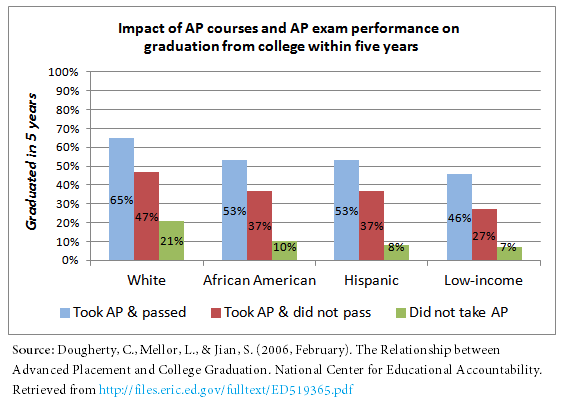
Advanced Placement (AP) courses, the college-level classes offered in high schools across America, have long been hailed as the gold standard of academic excellence. They are a way for students to get ahead and earn college credit while still in high school. But are they really all they’re cracked up to be?
Let’s start with the basics: AP courses cover more material than regular high school classes and culminate in an end-of-course exam that can earn students college credit if they score well enough. Sounds great, right? Well, not so fast.
First of all, not all colleges accept AP credits. While many do, others require a certain score on the exam or only accept credits from certain subjects. So just because you took an AP course doesn’t necessarily mean you’ll save any money on tuition or graduate any faster.
Secondly, AP courses aren’t always taught by teachers qualified to teach at a college level. In fact, according to a report by The Hechinger Report, “less than half of American teachers who teach Advanced Placement courses have actually passed an exam in that subject.” That means that some students may be getting subpar instruction and not even know it.
Furthermore, the pressure placed on students to take as many AP classes as possible can lead to burnout and mental health issues. Some schools even weight grades differently for AP classes than for regular classes – giving students who take more advanced coursework an unfair advantage when it comes time to apply for college.
But perhaps the biggest issue with AP courses is that they perpetuate inequality in education. Not all schools offer them – especially those in low-income areas – meaning that some students don’t even have access to these supposed “college-level” opportunities. And even among schools that do offer them, there is often a racial achievement gap when it comes to enrollment and success rates.
So what’s the alternative? One option is dual-enrollment programs where high school students take actual college courses at a local community college or university. These programs offer the same opportunity to earn college credit but without the pressure of an AP exam and with more qualified instructors.
Another option is to simply take challenging classes in high school without worrying about whether they’re “AP” or not. Many schools offer honors or accelerated courses that cover similar material to AP classes, but without the stress of an end-of-course exam.
Ultimately, it’s up to each individual student and their family to decide what path is best for them. But it’s important to remember that just because something has been touted as the “best” doesn’t mean it’s right for everyone – especially when it comes to education.
In conclusion, while Advanced Placement (AP) courses may seem like a great way for high school students to get ahead and earn college credit, they come with their fair share of issues. From colleges not accepting credits earned from AP exams, subpar instruction from teachers who aren’t qualified at a collegiate level, mental health problems caused by burnout due to excessive coursework loads, perpetuating inequality in education by limiting access only limited number of schools offering these opportunities resulting in racial achievement gaps among others; there are many factors that need consideration before enrolling your child into one such program. Dual-enrollment programs and taking challenging classes can be viable alternatives that offer similar benefits minus some of these drawbacks. Ultimately, choosing between any program would depend on personal preference and objectives; therefore parents should weigh all options carefully before making a decision regarding their child’s future academic pursuits.
 Alternative Amie
Leave a comment