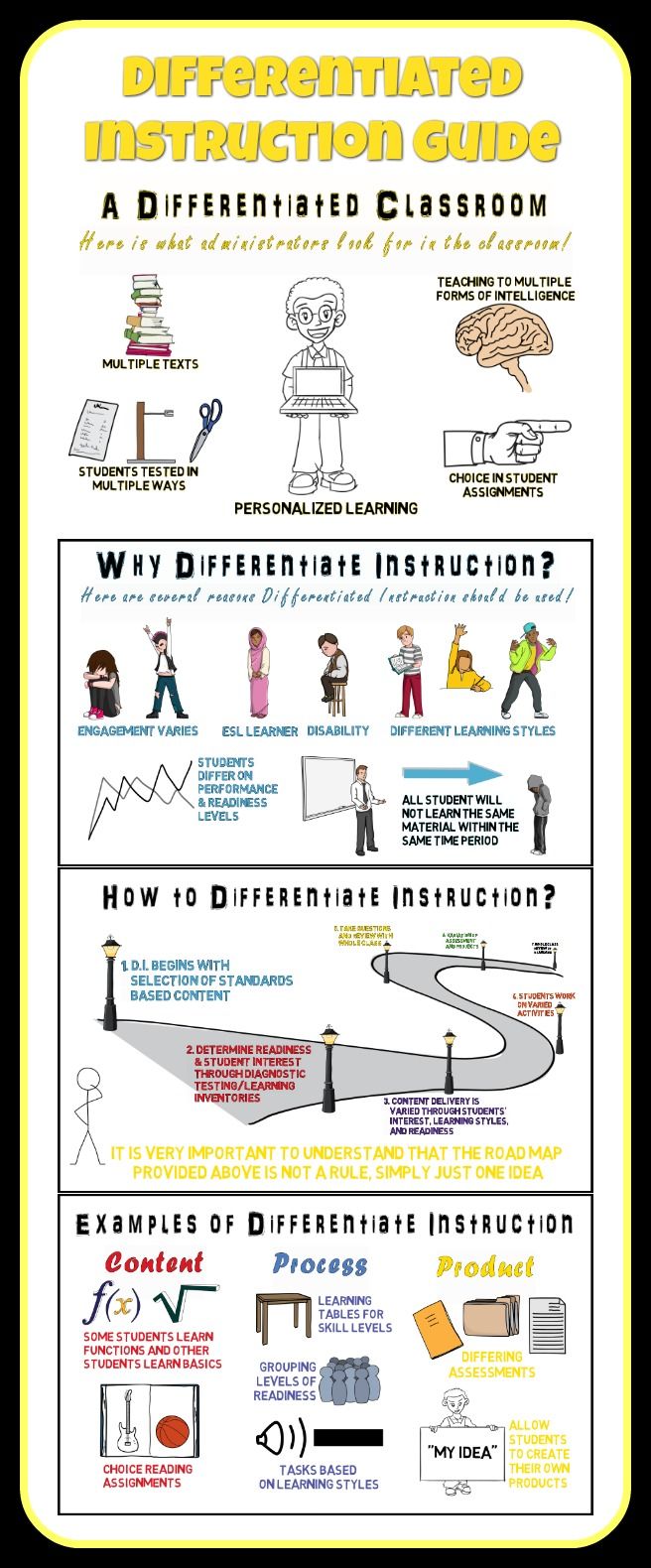
Differentiated instruction is a teaching approach that recognizes the diversity of students’ needs and abilities in the classroom. This method aims to provide individualized instruction and support to each student, based on their strengths, weaknesses, learning styles, and interests. The goal of differentiated instruction is to maximize each student’s potential by providing them with appropriate challenges and opportunities for growth.
In this approach, teachers use various strategies such as flexible grouping, tiered assignments, and choice boards to differentiate instruction. They also use formative assessments to monitor students’ progress regularly and adjust their teaching accordingly.
Differentiated instruction has been proven effective in promoting academic achievement and engagement among students. It allows students to work at their own pace and level, take ownership of their learning, feel valued as individuals, and develop critical thinking skills.
However, implementing differentiated instruction requires significant planning time on the part of teachers. They need to have a deep understanding of their students’ needs and abilities while creating lessons that meet those requirements but still align with state standards.
In conclusion, Differentiated Instruction is an excellent approach for educators looking to create inclusive classrooms where every student feels valued regardless of varying levels or differences in learning styles. It creates an environment where all learners can thrive together towards achieving educational success!
 Alternative Amie
Leave a comment