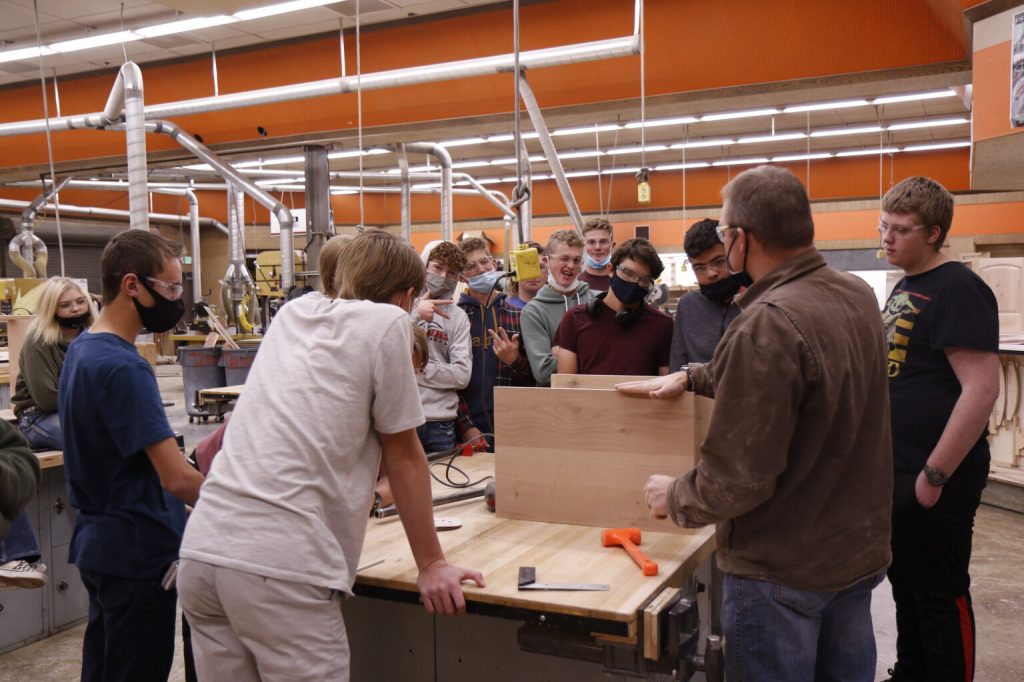
High school vocational classes are an essential part of alternative schooling and education. These programs offer students practical training in various fields, including automotive technology, cosmetology, culinary arts, construction trades, and healthcare. Students who participate in these courses gain hands-on experience that prepares them for their future careers.
One of the benefits of vocational classes is that they provide students with a chance to explore different career paths before committing to a particular field. This helps students identify their interests and strengths while gaining valuable skills that can be applied in their daily lives. Additionally, many vocational programs have partnerships with local businesses or community colleges offering the potential for internships or networking opportunities.
Another advantage of vocational classes is the opportunity for real-world application through apprenticeships and on-the-job training. For example, students enrolled in automotive technology classes may work at a local garage as part of their coursework under supervision from experienced professionals. Similarly, those studying cosmetology may have the opportunity to work at a salon as an apprentice learning from seasoned stylists.
Moreover, vocational programs offer technical skills-based instruction which has shown positive results on student achievement outcomes such as increased graduation rates and higher employment prospects after high school completion compared to non-vocational program graduates According to statistics provided by the National Center for Education Statistics (NCES), “In 2018–19 about 7 percent of all public high school students participated in both occupational concentration programs (2 percent) and other CTE (5 percent).”
Finally, one significant benefit that cannot be overlooked is cost savings because these courses prepare students with marketable skills desired by employers without requiring attendance at traditional four-year college institutions thereby reducing student loan debt incurred by college graduates.
In conclusion, High School Vocational Classes provide numerous benefits for alternative schooling education systems including exploring career options before making long-term commitments while gaining practical job-related experiences leading towards better employment opportunities after graduation than non-vocational program graduates can expect. Students enrolled in these programs have the chance to build marketable skills, gain real-world experience through internships and apprenticeships, and save money by avoiding traditional four-year college institutions.
 Alternative Amie
Leave a comment