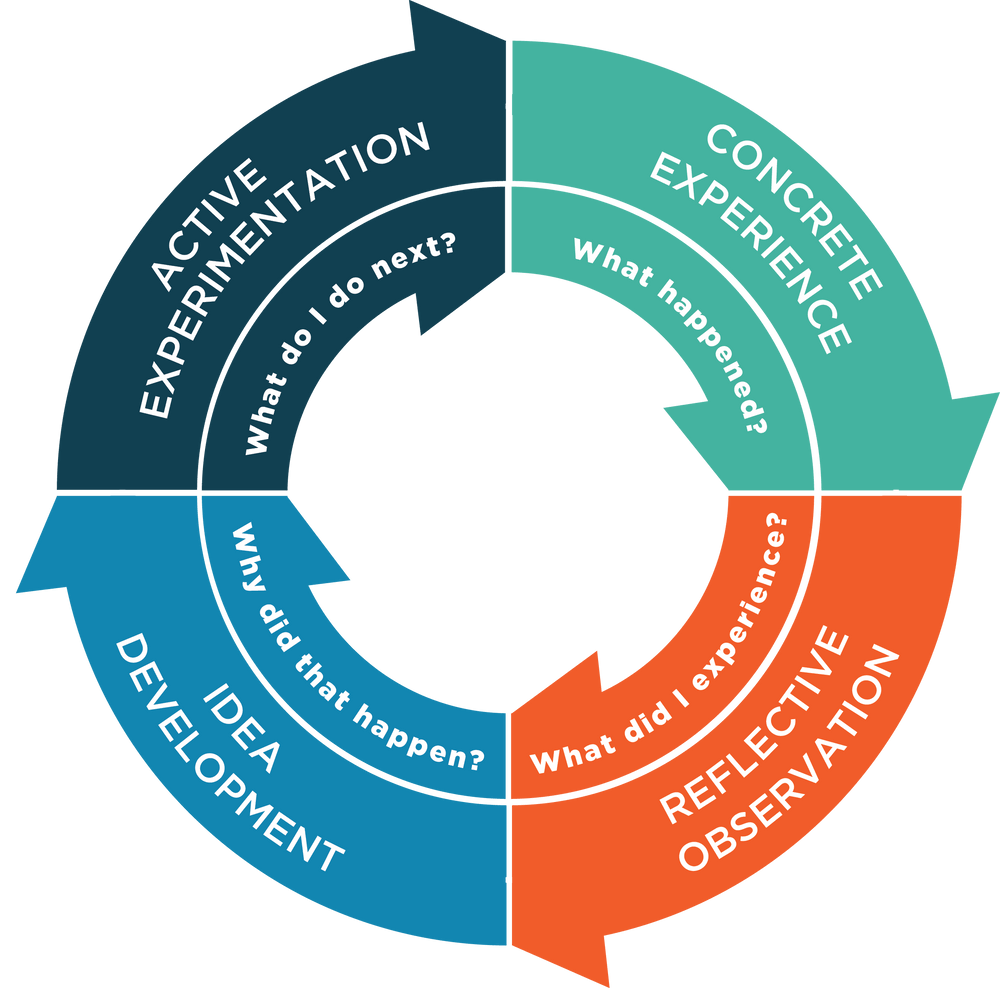
Experiential learning is a hands-on, immersive approach to education that has been gaining popularity in recent years. It involves actively engaging learners in real-world experiences and allowing them to reflect on those experiences to gain insights and new knowledge. This type of learning can take many forms, including internships, apprenticeships, service-learning projects, simulations, and more.
Experiential learning has numerous benefits for students of all ages. First and foremost, it helps students develop critical thinking skills by encouraging them to analyze their experiences and draw conclusions from them. It also promotes creativity by giving students the freedom to explore new ideas and ways of doing things.
Another benefit of experiential learning is that it makes education more relevant to students’ lives. By connecting classroom concepts with real-world situations, students are better able to see the practical applications of what they are learning. This can help motivate them to learn more deeply and retain information longer.
Experiential learning also encourages collaboration among students as they work together on projects or tasks. This fosters a sense of community within the classroom or group setting and helps build important social skills that will serve students well throughout their lives.
One example of experiential learning is project-based learning (PBL). PBL involves designing projects that require learners to solve complex problems or create something entirely new from scratch. The teacher acts as a facilitator rather than an instructor, guiding students through the process but allowing them plenty of autonomy along the way.
In this type of environment, learners are motivated by their natural curiosity about the world around them; they want answers because they care about solving problems or creating something meaningful. The results can be amazing: Students often produce work that surprises even themselves because they have been given the freedom to explore without being told exactly what steps must be taken at each stage.
Another form of experiential learning is service-learning projects – this form typically involves volunteering time outside school, working with a community or group, and applying what students have learned in the classroom to real-world problems. This type of learning not only benefits the students by giving them practical experiences but also helps improve the local community.
For instance, if you are teaching about environmental conservation, a service-learning project could involve cleaning up a nearby park or planting trees. Students will get to see firsthand how their actions can make a difference and gain an appreciation for the impact of human behavior on natural resources.
Finally, internships and apprenticeships are examples of experiential learning that are more commonly used at higher education levels. These programs allow learners to work alongside professionals in their field of study, gaining hands-on experience while making valuable connections within their industry.
Internships and apprenticeships provide numerous benefits such as exposure to different career paths; building skills needed for specific careers; creating new personal and professional networks; improving resume credentials. They allow individuals to learn from experienced mentors who offer guidance on how best they can achieve success in their chosen fields.
In conclusion, experiential learning is an effective way for learners of all ages to gain knowledge and skills by actively engaging with real-world situations. The process encourages curiosity, creativity, collaboration among peers while promoting critical thinking skills. It also makes education relevant by connecting classroom concepts with practical applications that help motivate learners towards deeper understanding resulting in better retention rates over time.
The various forms of experiential learning discussed above highlight its unique ability to create meaningful educational experiences both inside and outside traditional classroom settings – leading ultimately towards greater academic achievement as well as personal growth opportunities for all involved.
 Alternative Amie
Leave a comment