Blended Learning Communities: Where Technology and Education Meet
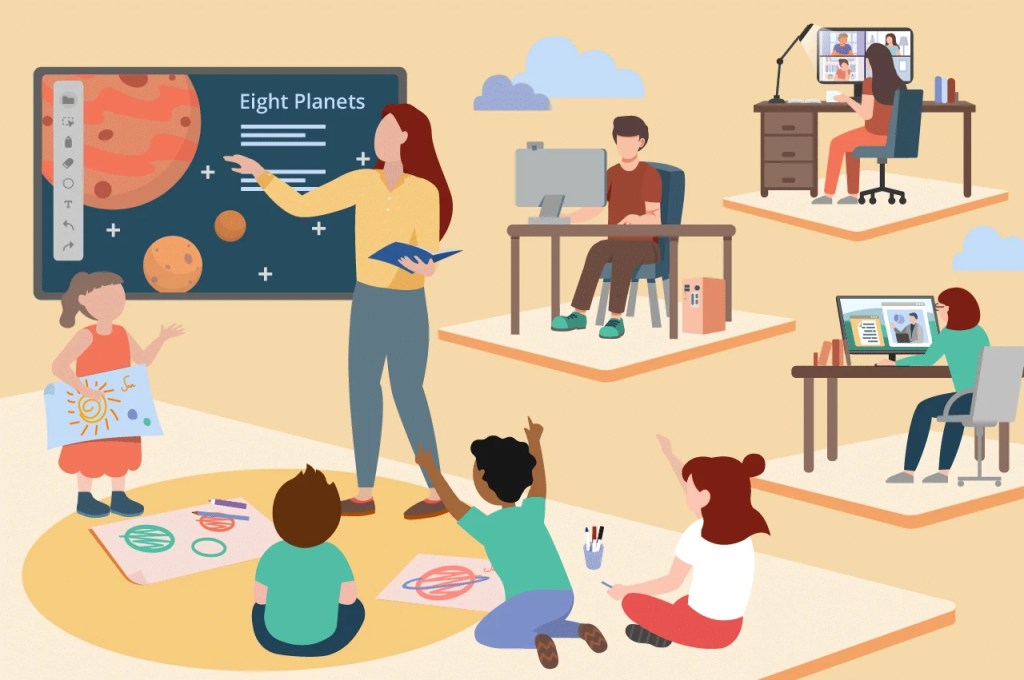
As the world becomes more digitized, it is only natural that education follows suit. Blended learning communities are one of the newest trends in education that combine traditional classroom instruction with online learning. The result is a flexible and customizable learning experience that can be tailored to meet each student’s individual needs.
Blended learning communities have been gaining traction in recent years due to their ability to offer students a personalized approach to education. Students are able to work at their own pace and use digital tools such as videos, simulations, games, and virtual reality experiences as part of their curriculum. This type of approach allows for greater engagement from students who may struggle with traditional teaching methods.
One of the benefits of blended learning communities is the flexibility they offer. With online courses available 24/7, students can learn whenever it suits them best. This means that they can work around other commitments such as jobs or extracurricular activities without sacrificing their education.
Another benefit of blended learning communities is their ability to cater to different types of learners. Some students may prefer visual aids while others may prefer auditory or kinesthetic methods; blended learning communities allow for all these preferences by providing various forms of media for learners.
Additionally, blended learning communities foster collaboration among students through group projects and discussions on an online platform. This encourages communication skills which are essential in today’s workforce where teamwork is highly valued.
However, like any form of education, there are challenges associated with blended learning communities. For instance, some students may feel isolated since they do not have face-to-face interaction with teachers or peers on a regular basis. To overcome this challenge, schools need to create opportunities for socialization through events such as field trips or extracurricular activities.
Moreover, access to technology remains a challenge for some families who cannot afford laptops or high-speed internet connections at home. Schools should provide support resources like computer labs and Wi-Fi hotspots to ensure that all students can access online learning materials.
Despite these challenges, blended learning communities are here to stay. They offer a unique approach to education that is flexible, customizable, and accessible. With the right support and resources in place, they can provide students with an engaging and effective learning experience.
One example of a successful blended learning community is the Rocketship Education network of charter schools based in California. These schools use technology-based instruction alongside traditional teaching methods to create a personalized learning experience for each student. In addition, they emphasize parent involvement by having parents participate in their children’s education through home visits and volunteering opportunities.
Another example is Florida Virtual School (FLVS), which offers online courses to K-12 students throughout the state of Florida. FLVS has been operating since 1997 and serves over 200,000 students annually. The school allows students to work at their own pace while providing them with live tutoring sessions when needed.
Blended learning communities are not limited to K-12 education; they also have applications in higher education as well. Many colleges and universities now offer online courses or hybrid programs that combine both online and face-to-face classes.
For instance, Arizona State University (ASU) has developed an innovative model called ASU Online where students can earn degrees entirely online from anywhere in the world. This program allows busy professionals or those who live far away from campus the opportunity to pursue higher education without disrupting their personal lives.
In conclusion, blended learning communities represent a significant shift towards personalized education that caters to individual needs rather than a one-size-fits-all approach. While there are still some challenges associated with this form of instruction, it provides many benefits such as flexibility, accessibility, collaboration among learners as well as fostering communication skills essential for success today’s workforce regardless of age or level of study!
 Alternative Amie
Leave a comment