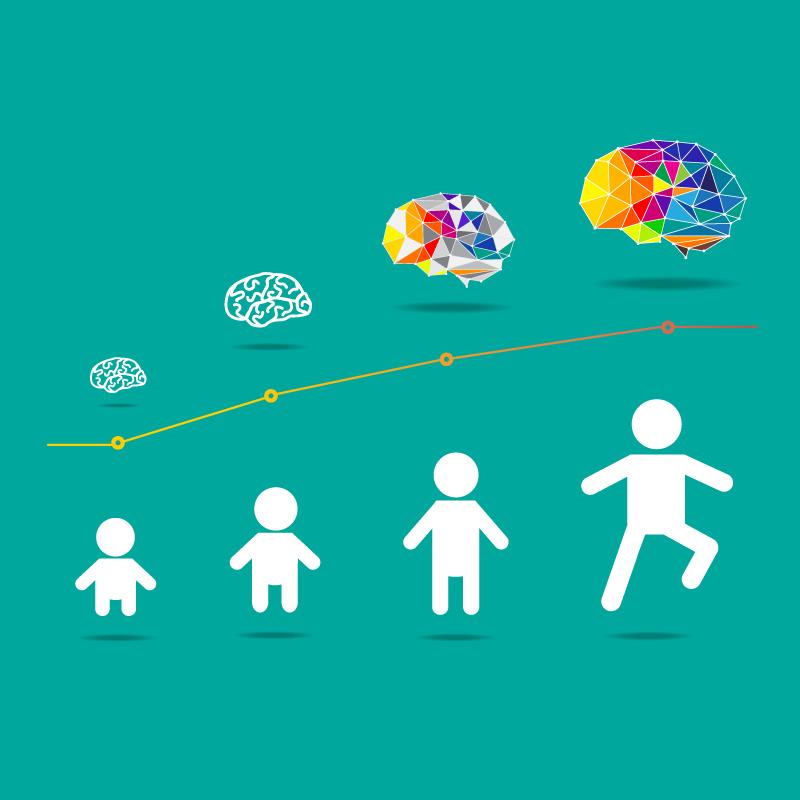
How Brain Development Affects Alternative Schooling and Education
Brain development is a crucial part of human growth and learning, especially during early childhood. The brain’s ability to adapt to environmental stimuli is what makes it so uniquely capable of learning new things throughout our lives. This adaptability is known as neuroplasticity, which allows the brain to form new neural connections or strengthen existing ones based on experiences.
Alternative schooling and education models often prioritize individualized learning, project-based work, and experiential learning opportunities that can have a significant impact on brain development in children. In this post, we’ll explore how these types of educational approaches can influence brain development, leading to better academic performance and overall well-being for students.
The Importance of Early Childhood Education in Brain Development
Early childhood education plays a vital role in shaping the developing brains of young children. During this time, the neural pathways that will be used throughout life are formed. According to research by Harvard University’s Center on the Developing Child, “early childhood experiences shape the architecture of the developing brain through mechanisms that allow it to adapt to its environment.”
Alternative schooling and education models often prioritize play-based learning activities during early childhood as they provide opportunities for exploration and creativity while promoting cognitive development. Play helps develop skills such as problem-solving, critical thinking, communication skills, social-emotional intelligence, self-regulation abilities – all critical components necessary for future success.
Project-Based Learning Promotes Neuroplasticity
Project-based learning (PBL) is an instructional approach where students learn through hands-on projects that integrate real-world problems into their curriculum. PBL has been shown to promote neuroplasticity by providing students with multiple avenues for exploring subjects beyond traditional classroom instruction.
When students engage in project-based work regularly – they are given more freedom than traditional classroom settings- they become more confident when taking risks with their ideas as there is no fear of judgment from peers or authority figures like teachers. This sense of autonomy and creativity is what fosters neuroplasticity, allowing them to think outside the box and develop new ideas while learning from their mistakes.
Experiential Learning Opportunities Enhance Brain Development
Experiential learning opportunities are an essential component of alternative schooling and education models as they provide students with a chance to apply critical thinking skills in real-world contexts. Experiential learning can involve internships, apprenticeships, field trips, community service projects or other hands-on experiences that allow students to engage with the world around them in meaningful ways.
These types of experiential learning opportunities help promote brain development by providing learners with enriching experiences that challenge their cognitive abilities. By engaging in real-world problem-solving activities outside traditional classroom settings, students learn how to work collaboratively while developing communication skills necessary for success in any career field.
Individualized Learning Promotes Personalized Brain Development
Alternative schooling and education models often prioritize individualized instruction over traditional classroom teaching methods. This approach allows each student’s unique needs to be met through personalized instructional strategies tailored specifically for them.
Individualized instruction helps promote personalization of brain development by allowing students to explore topics at their own pace without being held back by traditional classroom structures like standardized pacing guides or curriculum frameworks dictated by state standards. Students who receive individualized instruction benefit from self-directed learning opportunities where they can focus on areas where they excel most comfortably.
Conclusion
Brain development plays a crucial role in shaping our lives – it influences our ability to learn new things throughout life and impacts our overall well-being. Alternative schooling and education models offer many unique benefits when it comes to promoting healthy brain development among children of all ages.
From early childhood play-based curriculums that foster creativity and exploration to project-based learning approaches that encourage risk-taking behavior- these educational approaches inspire neuroplasticity leading towards better academic performance outcomes for all learners involved regardless if one learns best visually, auditorily, or kinesthetically. Additionally, with experiential learning opportunities and individualized instruction, students are given a chance to apply their critical thinking skills in real-world contexts that challenge them intellectually while also encouraging personal growth in creative ways. All of these benefits contribute towards promoting healthy brain development among young learners who will be well-equipped to tackle any challenges they may face later on in life – whether academic or not.
 Alternative Amie
Leave a comment