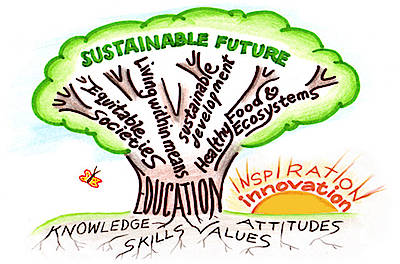
Environmental sustainability education is an essential aspect of modern education. Children are the future of this world, and they need to learn about how to take care of our planet from a young age. Environmental sustainability education should not only be limited to science classes but should be incorporated into all aspects of schooling.
Firstly, it’s important to define what environmental sustainability means. It refers to the ability of natural resources like water, air, soil, and biodiversity to meet current needs without compromising the ability of future generations to meet their own needs. In simpler terms, we must use natural resources in a way that ensures their availability for future generations.
One way schools can incorporate environmental sustainability is by teaching students about waste reduction and management. Students should be taught about recycling and composting as well as reducing single-use plastics such as straws, bags, bottles or utensils that end up in landfills or oceans causing serious harm to wildlife and marine ecosystems. Schools can provide students with reusable containers instead of plastic wrap or disposable containers during lunchtime or snacks breaks.
Another way schools can support environmentally sustainable practices is through gardening programs on campus where students learn how food grows while contributing positively towards nature’s ecosystem services such as pollination which benefits both plants and insects alike. This will also teach children healthy eating habits and reduce pollution caused by transportation emissions associated with transporting food long distances.
Environmental field trips are another excellent opportunity for schools to promote environmental awareness among students. These trips could include visits to local farms where they learn about farming techniques that promote sustainable agriculture practices like crop rotation, conservation tillage methods which help maintain soil health promoting greater yields over time without damaging the environment.
Lastly, incorporating renewable energy sources into school curriculums will help educate children on alternative power options that present less harm than traditional fossil fuels used today. Teachers may discuss solar panels installation on rooftops at school buildings; wind turbines located nearby generating electricity available for public use; hydroelectric dams powering entire cities with clean energy sources.
In conclusion, environmental sustainability education is crucial for the future of our planet. Schools have a responsibility to educate children about how to take care of our environment and protect it from harm. By teaching waste reduction and management, gardening programs, field trips that focus on sustainable agriculture practices, and renewable energy alternatives integration into curriculums children are given the tools they need to be active participants in protecting our environment while contributing positively towards ecosystem services such as pollination which benefits both plants and insects alike. It’s time we start taking action today so that tomorrow’s generation has a better future ahead of them!
 Alternative Amie
Leave a comment