Introduction:
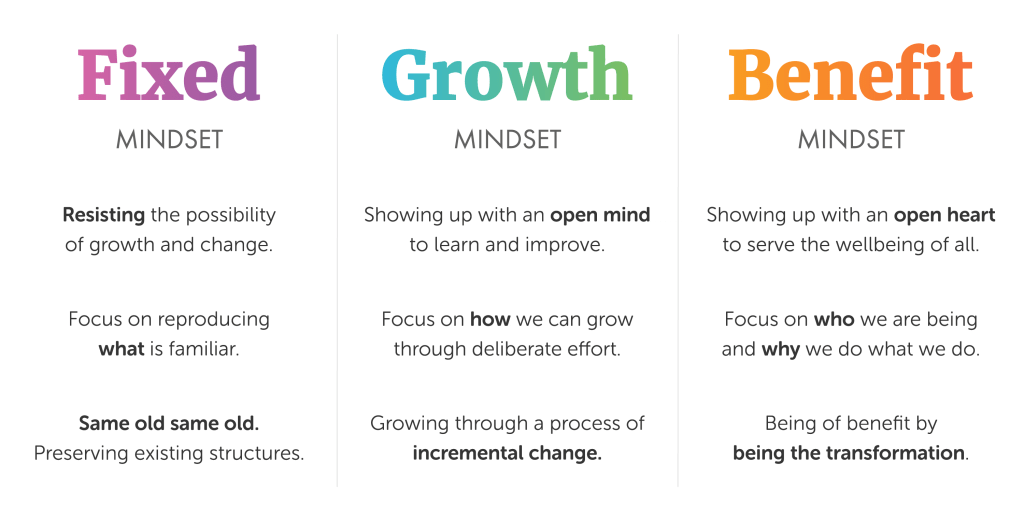
In the world of education, there are two types of mindsets that exist: fixed mindset and growth mindset. Fixed mindset refers to individuals who believe their abilities are set in stone, while growth mindset is a belief that one’s abilities can be developed through hard work and dedication. Growth mindset has become increasingly popular in alternative schooling and education as it encourages students to embrace challenges, learn from failures, and develop a love for learning.
Definition of Growth Mindset:
Before diving into the benefits of growth mindset, it’s essential first to understand what it means. According to Carol Dweck, a psychology professor at Stanford University who coined the term “growth mindset,” this type of thinking is rooted in the idea that intelligence is not fixed but rather can be developed over time with effort and perseverance. Those with a growth mindset believe that their abilities can improve through practice and feedback.
Benefits of Growth Mindset:
1) Encourages Learning
The most significant benefit of having a growth mindset is its ability to encourage learning. With this mentality, students are more likely to accept new challenges as an opportunity for improvement rather than viewing them as insurmountable obstacles. Students with a growth mindset also tend to enjoy learning because they see it as an ongoing process rather than just something they must do for grades or approval.
2) Fosters Resilience
Another key benefit of having a growth mindset is developing resilience. When faced with failure or setbacks, those with a growth mentality see them as opportunities for learning instead of giving up altogether. They bounce back quickly from setbacks by analyzing what went wrong and figuring out how they can improve next time.
3) Builds Confidence
Students who have embraced the concept of having a growth mentality tend to have higher levels of self-confidence compared to those who don’t possess such thinking patterns. They know that even if they fail initially or struggle initially in mastering certain skills or subjects doesn’t mean they aren’t capable of excelling in them eventually.
4) Develops a Love for Learning
Students with a growth mindset develop an intrinsic motivation to learn since they see it as something they can continue to improve upon. They enjoy the learning process itself, rather than just the end result. This love for learning becomes an essential tool that helps students thrive throughout their academic and professional careers.
How to Develop a Growth Mindset:
1) Embrace Challenges
The first step in developing a growth mindset is embracing challenges. Instead of avoiding difficult tasks, students should view them as opportunities for personal development and intellectual growth.
2) Learn from Failure
Another crucial element of having a growth mentality is learning from failure. Those who have this type of thinking do not shy away from making mistakes but instead use them as an opportunity to analyze what went wrong and how they can improve next time.
3) Practice Persistence
Persistence is key when it comes to developing a growth mindset. Students must be willing to put in the effort and practice necessary to achieve their goals, even if it takes longer than expected or requires extra work on their part.
4) Seek Feedback
Seeking feedback is another way students can cultivate a growth-oriented mentality. By asking for constructive criticism, they can get insights into areas where they need improvement and adjust accordingly based on those insights.
5) Focus on Progress Over Perfectionism
Lastly, focusing on progress over perfectionism allows students with this type of thinking pattern to celebrate small successes along the way while still working toward long-term goals. By recognizing incremental improvements, students become more motivated and feel accomplished despite setbacks or failures along the way.
Conclusion:
In conclusion, Growth Mindset has become increasingly popular in alternative schooling and education systems worldwide because it encourages individuals’ intellectual curiosity by promoting resilience, persistence, confidence-building measures like seeking feedback regularly while keeping progress over perfectionism in focus through positive affirmation methods such as self-talk strategies & goal-setting techniques. It is not just a concept, but a way of life that can help students achieve their full potential and become lifelong learners. By embracing challenges, learning from failure, practicing persistence, seeking feedback regularly & focusing on progress over perfectionism, anyone can develop this mindset and reap its many benefits throughout their academic and professional careers!
 Alternative Amie
Leave a comment