Social Communication Disorder: The Struggles of Misunderstood Minds
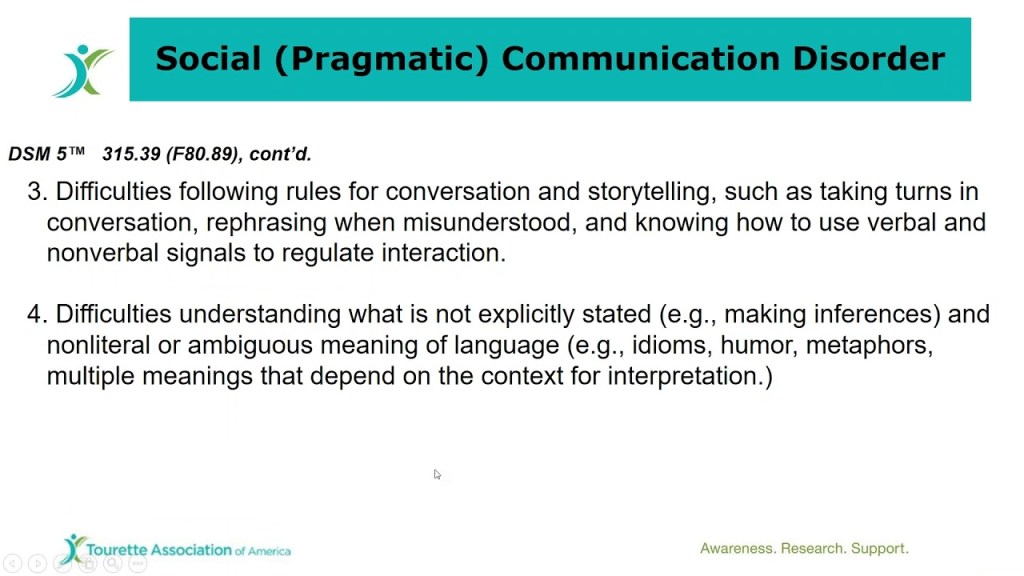
Social communication disorder (SCD) is a neurodevelopmental condition that affects the ability to communicate and interact with others effectively. People with SCD often struggle with social cues, such as facial expressions, tone of voice, and body language. They find it challenging to understand the nuances of conversations, make friends or maintain relationships.
Many people mistake SCD for shyness or introversion. However, it’s much more than that. It’s a condition that can affect anyone regardless of their personality type or background. People living with this disorder experience difficulties in daily life activities like going to school or work without any support.
The symptoms of SCD often emerge during childhood when children begin developing essential social skills where they learn how to share toys or take turns while playing games. Parents may notice their child has trouble making eye contact, responding appropriately to questions, initiating conversations, or following social rules.
As children get older and enter adolescence and adulthood stages, the challenges become even more significant since they need sophisticated communication skills for job interviews and dating situations. Many times individuals affected by this condition face rejection from peers because they lack appropriate social behaviors leading them to feel isolated.
It’s important for parents who notice their kids struggling with communication skills seek professional help as soon as possible since early intervention can improve outcomes significantly. A speech-language pathologist can provide therapeutic interventions focusing on improving pragmatic language use which will help them develop proper verbal and nonverbal communication strategies.
In conclusion, Social Communication Disorder is a complex neurodevelopmental condition that requires attention from all levels within our society; schools must provide support through inclusion programs while employers should offer accommodations at workplaces environments allowing individuals affected by this disorder not only surviving but thriving in society despite its challenges!
 Alternative Amie
Leave a comment