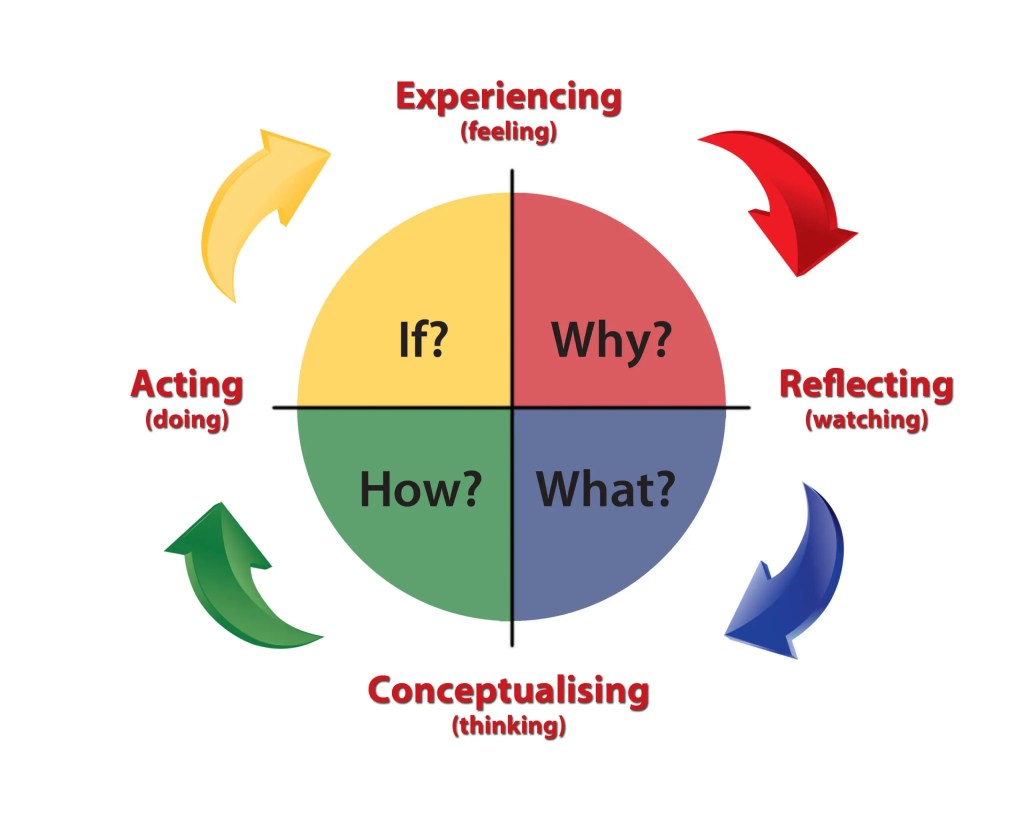
Experiential Learning: A DIY Guide
Traditional schooling is not for everyone. In fact, many people find it difficult to learn in a structured classroom environment. For those who are looking for an alternative education approach, experiential learning might be the solution they need.
Experiential learning is a hands-on approach to education that encourages learners to engage with the subject matter by doing and experiencing it directly. This method of learning has been around for centuries but only recently gained popularity as more people recognize its effectiveness.
If you’re interested in trying out experiential learning yourself or want to incorporate it into your child’s educational journey, this DIY guide will help you get started.
1. Start With Your Interests
The beauty of experiential learning is that you can tailor it to fit your interests and passions. Whether you love gardening, cooking or building things from scratch, there are endless opportunities to explore these interests through hands-on experiences.
Start by identifying what topics or activities excite you the most and build your educational journey around them. If you enjoy working with your hands, consider taking up woodworking or metalworking classes at a local community center or makerspace. Alternatively, if history fascinates you, try visiting historical sites like museums or landmarks related to a particular era or event.
2. Get Outdoors
Nature provides some of the best opportunities for experiential learning. Spending time outside allows us to connect with our surroundings on a deeper level while providing ample space for exploration and experimentation.
Consider joining outdoor groups such as hiking clubs or birdwatching societies where members share their knowledge about different species and habitats while enjoying nature together.
3. Volunteer Opportunities
Volunteering can be one of the most rewarding ways of gaining new skills through experience-based learning while also making valuable contributions towards social causes in our communities.
Non-profit organizations offer volunteering opportunities across multiple domains like animal care centers, soup kitchens serving homeless people, environmental conservation groups and more. Volunteering not only helps to develop practical skills but also enhances social awareness and empathy.
4. Travel
Traveling provides a unique opportunity to learn about different cultures, cuisines, languages, and history. Through travel experiences, we can gain a better understanding of the world around us while expanding our perspectives.
Consider traveling to places that interest you the most or joining responsible tourism programs that offer immersive cultural experiences such as volunteering in rural communities or learning traditional crafts from local artisans.
5. Experiment with Art
Art is an excellent medium for experiential learning because it allows learners to express themselves creatively while exploring new techniques and mediums.
Take up painting classes at an art school or try experimenting with different mediums like clay sculpting or printmaking. Alternatively, consider attending various art exhibitions showcasing contemporary artworks by emerging artists for inspiration.
6. Start a DIY Project
DIY projects are one of the most fun ways to engage in experiential learning as they allow learners to explore their creative potential while developing practical skills such as problem-solving and critical thinking.
Some DIY projects ideas include building furniture from scratch using recycled materials, constructing your own solar-powered water heater system or designing your vegetable garden layout using permaculture principles.
7. Online Courses
Online courses have revolutionized education accessibility by providing affordable access to quality content across multiple domains from anywhere globally through the internet connection.
Platforms like Coursera or Udemy offer thousands of online courses covering topics ranging from coding languages python or java script , digital marketing strategies to yoga practices – all accessible within the comfort of one’s home on desktops or mobile devices.
In conclusion,
Experiential learning is an alternative approach that has proven effective time after time for those who find formal classroom education challenging; there are numerous benefits associated with it such as enhanced creativity, improved problem-solving ability and hands-on experience-based skill development.
Through this DIY guide, we hope to have inspired you to explore experiential learning further in your educational journey. Remember, the key is finding what works best for you and tailor-making an approach that suits your individual interests and passions.
 Alternative Amie
Leave a comment