Synchronous Learning: 8 Benefits of Real-Time Online Education
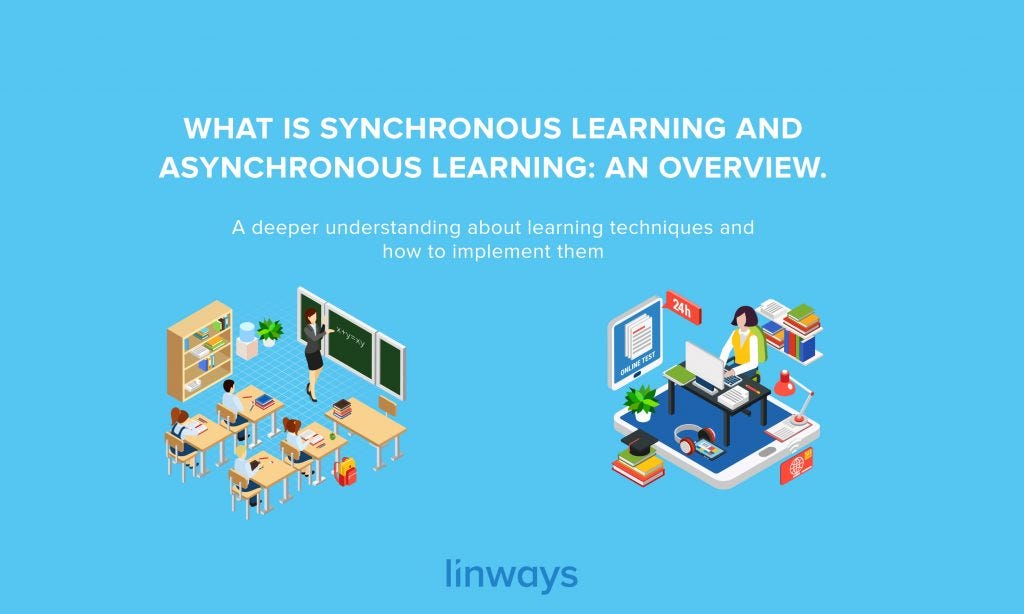
Synchronous learning is a type of online education where the teacher and students engage in live, real-time interactions. This can happen through video conferencing tools such as Zoom, Skype, or Google Meet. Synchronous learning has become increasingly popular in recent years due to the advancement of technology and the convenience it offers for both teachers and students.
Here are eight benefits of synchronous learning:
1. Real-Time Feedback
One major advantage of synchronous learning is that it allows for immediate feedback from the teacher to the student. Students can ask questions and receive answers immediately, which can help them better understand complex concepts or material they may be struggling with. Similarly, teachers can gauge how well their students are understanding the material by observing their reactions during class.
2. Personalized Learning Experience
Synchronous learning allows for personalized instruction tailored to each student’s needs. Teachers can use real-time data to adjust their lesson plans on-the-spot based on their observations of individual student performance.
3. Increased Engagement
Synchronous learning promotes high levels of engagement because it requires active participation from both teachers and students during class time. The ability for students to interact directly with their teacher means they are more likely to stay focused during class and participate in discussions or group activities.
4. Collaboration Opportunities
Real-time online classes allow students to work together on projects or assignments in groups which enables them to learn collaboratively while sharing ideas, knowledge, and resources as they work towards common goals.
5.Improved Time Management Skills
With synchronous online schooling ,students must manage thier time effectively since many classes require attendance at specific times throughout the day or week.They learn valuable time-management skills that will be helpful not only in school but also later on in life when managing multiple priorities becomes essential.
6.Flexibility
Synchronous online schooling provides flexibility since it eliminates geographical barriers that would have otherwise limited access by learners who are not within the immediate vicinity of a school or institution. Students can attend classes from anywhere in the world as long as they have an internet connection and a device.
7.Cost-Effective
Synchronous learning is also cost-effective since it eliminates transportation costs, accommodation expenses, and other related costs that learners would have incurred if attending traditional schools.
8. Access to Expertise
Through synchronous learning, students can access instructors who are experts in their field or subject area regardless of location.This allows them to learn from the best teachers available worldwide without moving out of their homes.
In conclusion,Synchronous Learning provides numerous benefits for both teachers and students. It enables real-time feedback between teachers and students, personalized instruction tailored to each student’s needs, increased engagement levels during class time, collaboration opportunities among learners working together on projects or assignments , improved time management skills learned through attendance at specific times throughout the day or week , flexibility due to elimination of geographical barriers which makes it accessible by all learners regardless of location,Cost-effectiveness due to elimination of transport costs,and access to expertise from instructors who are experts in their field or subject area regardless of location.So whether you’re a teacher looking for new ways to engage your students online or a learner looking for flexible options that allow you to study on your schedule,synchronous learning may just be what you need!
 Alternative Amie
Leave a comment