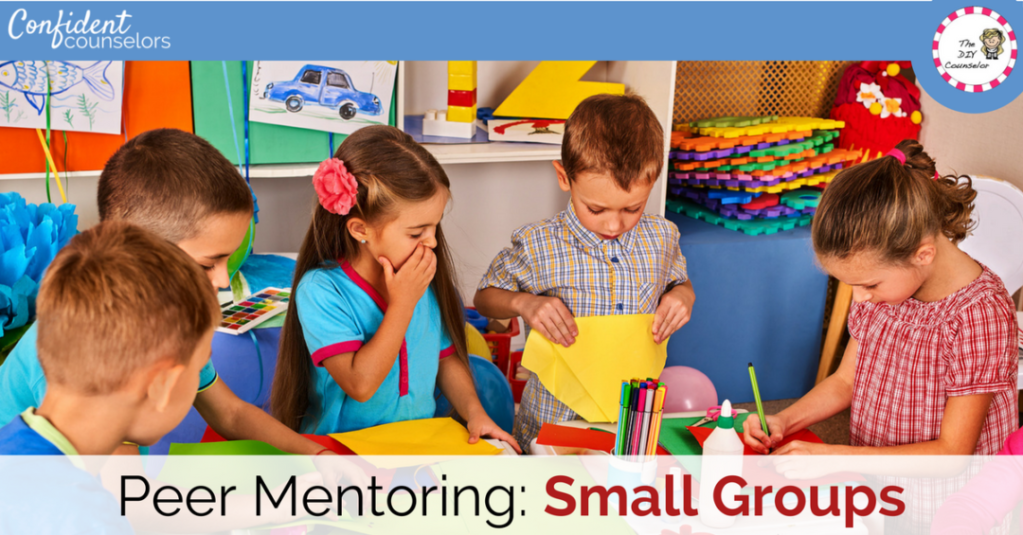
Group mentoring is an effective way of educating and guiding students in a non-traditional setting. It offers a supportive environment where young people can learn from their peers, mentors, and teachers. Alternative schools offer unique opportunities for group mentoring, as they foster personal development through experiential learning and hands-on activities.
Here are 15 group mentoring activities that alternative schools can adopt to enhance the educational experience of their students:
1. Community service projects
Community service projects provide an opportunity for students to give back to society while also building character and leadership skills. Mentors can guide them in identifying pressing social issues within their community and working on initiatives that address these issues.
2. Group discussions
Group discussions are essential in facilitating open communication among peers, mentors, and teachers. They help develop critical thinking skills by encouraging students to express their opinions on various topics.
3. Field trips
Field trips are exciting ways of exposing students to new experiences outside the classroom environment. Visits to museums, parks, historical sites or cultural events provide practical learning opportunities that cannot be replicated in traditional classrooms.
4. Role-playing exercises
Role-playing exercises allow students to explore different perspectives on common situations or dilemmas they may face at school or home. They help build empathy skills by placing themselves in someone else’s shoes.
5. Leadership training workshops
Leadership training workshops equip students with leadership skills such as problem-solving, decision-making, communication and team-building abilities that will serve them well throughout their lives.
6. Goal-setting exercises
Goal-setting exercises encourage self-awareness among students by helping them identify what they want out of life and what steps they need to take to achieve those goals.
7. Outdoor adventures
Outdoor adventures like hiking or camping trips teach survival skills while fostering teamwork among participants who have shared interests
8.Skill-building sessions.
Skill-building sessions focus on specific areas such as public speaking or computer programming which when mastered could lead towards future employment opportunities
9. Art sessions
Art sessions are used to encourage students to express themselves creatively while exploring different mediums like painting, drawing or sculpting.
10. Peer tutoring
Peer tutoring allows students to share their knowledge with others who need help in specific subjects.
11. Mock interviews
Mock interviews simulate real-life job interview situations and provide a chance for students to practice their communication skills and receive feedback from mentors.
12. Mentor-led projects
Mentor-led projects allow students to work on long-term initiatives that align with their interests and passions under the guidance of an experienced mentor.
13. Creative writing workshops
Creative writing workshops offer an opportunity for students to improve their writing skills by learning various techniques such as storyboarding or character development.
14. Interactive games
Interactive games teach social interaction skills and cognitive abilities while providing entertainment at the same time
15. Self-reflection activities
Self-reflection activities such as journaling or meditation promote introspection among participants, helping them identify personal strengths, weaknesses, goals and aspirations.
In conclusion, group mentoring is a powerful tool in alternative education settings that can be used effectively by educators looking for new ways of fostering student growth outside traditional classrooms’ constraints. These 15 group mentoring activities provide excellent starting points for alternative schools seeking innovative methods of engaging learners in meaningful experiences that will prepare them well beyond academic achievements alone!
 Alternative Amie
Leave a comment