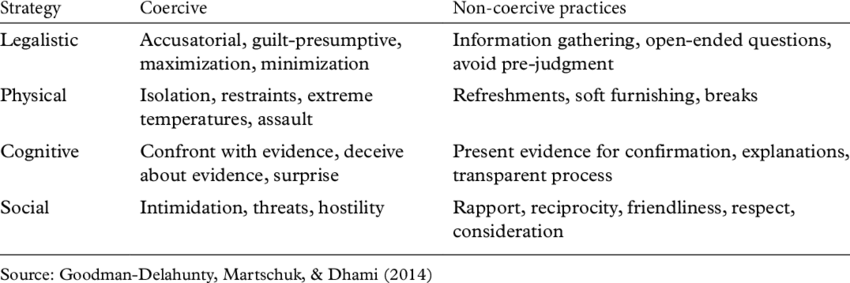
Discipline is an essential part of education, but it doesn’t have to be harsh or coercive. Non-coercive discipline methods are just as effective and help students develop their self-control, responsibility, and decision-making abilities. Here are ten non-coercive discipline strategies that you can use in your classroom.
1. Set clear boundaries: Establishing clear expectations for behavior helps students understand what’s acceptable and what’s not. Make sure to communicate these boundaries clearly and consistently.
2. Positive reinforcement: Instead of punishing negative behavior, reward positive actions with praise or recognition. This method encourages students to repeat good behavior.
3. Logical consequences: When a student misbehaves, give them a logical consequence that is related to the action they took. For example, if they break a toy, they need to fix it or pay for it.
4. Restorative justice: This approach focuses on repairing harm caused by disruptive behavior rather than punishing the offender. It involves bringing together those affected by the offense to discuss its impact and how everyone can move forward positively.
5. Conflict resolution skills: Teach students how to resolve conflicts peacefully through active listening and respectful communication.
6. Choice-based discipline: Allow students some control over their learning environment by giving them choices between different activities or assignments that meet specific educational goals.
7. Collaborative problem-solving: Work with your students to find solutions when problems arise instead of imposing your own ideas upon them.
8.Support systems : Provide emotional support for children who may be struggling with issues outside the classroom such as anxiety disorders or family problems
9 .Modeling appropriate behaviors : Children learn best from observing adults so modeling appropriate behaviours will go along way in helping enforce non-coercive disciplinary measures in the classroom
10 .Consistency : Consistency is key when enforcing any form of disciplinary measure whether coercive or not , this element shouldnt be overlooked
In conclusion , using non-coercive disciplinary measures in our classrooms helps to establish a safe and controlled learning environment for our students. By implementing these strategies, we can encourage positive behavior while still holding students accountable for their actions.
 Alternative Amie
Leave a comment