Panel Discussion: Exploring the Open Classroom Model
The traditional classroom setup has been around for centuries, but in recent times there has been a growing interest in alternative schooling models. One of these is the open classroom model, which offers an innovative approach to education that focuses on student-centered learning.
To delve deeper into this concept, we have invited four experts who are knowledgeable about alternative schooling and education to participate in this panel discussion. Our panelists are:
– John Smith: Founder of an alternative school that uses the open classroom model.
– Dr. Mary Johnson: Education researcher and advocate for student-centered learning.
– Sarah Lee: Parent of two children who attend a school that employs the open classroom model.
– David Chen: High school teacher with experience teaching both traditional and non-traditional classrooms.
What is the Open Classroom Model?
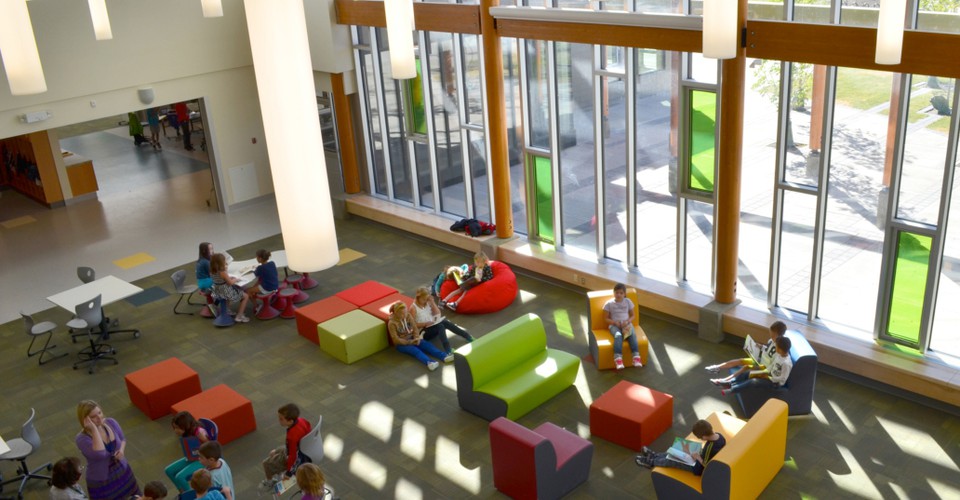
John Smith starts by explaining what an open classroom model entails. In his words, “An open classroom is one where students have more control over their learning environment.” An open classroom design allows students to move freely around different stations or work areas within a larger space while engaging in various activities based on their interests and needs.
Dr. Mary Johnson adds, “Open classrooms focus on hands-on experiences rather than rote memorization.” This means that students get to explore topics they find interesting while also developing critical thinking skills as they solve problems and ask questions.
Sarah Lee shares her experience as a parent whose children benefit from attending an open-style school. She says, “My kids love going to school because they feel like they’re not just sitting at desks all day listening to someone talk.”
David Chen acknowledges that some critics argue that without clear boundaries between subjects or class times, students may fall behind academically under such unstructured conditions; however he argues against it saying “Many studies show otherwise; when done right, students learn more effectively through collaboration with peers.”
Benefits of Open Classrooms
Our panelists unanimously agree that the open classroom model offers several benefits. For instance, it provides students with a more engaging and personalized learning experience.
Dr. Mary Johnson says, “By allowing students to direct their own learning in an open classroom, they gain autonomy and responsibility for their education.” Students have a sense of ownership over what they learn which can increase motivation and engagement.
John Smith believes this increased autonomy leads to better problem-solving skills as well. In his words: “Students are able to work at their own pace without distractions or excess interference from teachers.”
Sarah Lee adds that her children love going to school because they get to choose what they want to learn each day rather than being told what to do all the time.
David Chen agrees with Sarah but also stresses that such an environment fosters creativity among students as there’s no one-size-fits-all approach in this model; thus leading them towards becoming self-directed learners.
Challenges of Open Classrooms
Despite its advantages, panelists acknowledge that implementing the open classroom model has challenges. One of these challenges is creating a balance between freedom and structure within the learning environment as some students may require more guidance than others.
David Chen cautions against losing sight of academic rigor when trying out this style by highlighting how important it is for educators who adopt such innovative models like open classrooms not only ensure proper planning but also create clear expectations for student performance within set timelines while still giving room for flexibility on how students achieve those objectives so that no one falls behind academically.
John Smith adds another challenge – finding enough space for everyone! Schools usually need larger areas if they want various stations or work groups operating simultaneously; hence large classrooms become necessary- which can be expensive or difficult in densely populated urban areas where land is scarce or too costly.
Conclusion
In conclusion, our panelists agree on several things regarding the Open Classroom Model – First off, it’s not traditional schooling format and therefore requires different approaches to instruction and curriculum design. Secondly, it has the potential to be a highly effective model when implemented well as it fosters creativity, critical thinking skills, autonomy and self-directed learning among students.
However, educators must ensure that the right balance between structure and openness is achieved in the classroom for each student’s needs- which can be challenging at times. Overall though, with careful planning and attention to detail – this alternative schooling format can deliver great outcomes for students who thrive in innovative environments where they’re free to explore their interests while still learning essential academic concepts.
 Alternative Amie
Leave a comment