Historical Landmarks: A Guide to Alternative Schooling and Education
Learning about history is an essential component of education, and visiting historical landmarks is a great way to bring the past to life. These sites offer a glimpse into the lives of those who came before us, giving us a greater understanding of their struggles, triumphs, and contributions. For alternative schooling and education programs, these landmarks can be used as valuable teaching tools that help students connect with the past while also learning important lessons for today.
Here are some historical landmarks that are particularly suited for alternative schooling and education:
1. The Smithsonian Institution in Washington D.C.
The Smithsonian Institution is one of the most famous museums in the world. It was founded in 1846 by James Smithson, an English scientist who left his fortune to establish “an establishment for the increase and diffusion of knowledge.” The Smithsonian houses over 150 million artifacts across 19 museums and galleries, making it an ideal destination for students interested in science, art, history or culture.
2. Colonial Williamsburg in Virginia
Colonial Williamsburg is a living history museum located in Virginia that recreates life during colonial times. Visitors can explore restored buildings from the 18th century including homes, shops, taverns and more while costumed actors recreate daily life activities such as cooking meals or blacksmithing ironworks. Students will gain insights into colonial life through hands-on experiences like playing games or trying on period costumes.
3. Little Rock Central High School National Historic Site
Little Rock Central High School National Historic Site commemorates one of America’s most significant civil rights events –the integration of Little Rock Central High School by nine African American students on September 25th ,1957.While exploring this site visitors will learn about how local residents reacted when nine black teenagers attempted to attend school at what had previously been all-white school.Tours are available every day except Thanksgiving Day,to show visitors around both the high school and the visitor’s center.
4. The Alamo in San Antonio, Texas
The Alamo is a former mission turned fort that played a significant role in Texas history. It was here that Texans fought Mexican forces for independence from Mexico during the famous Battle of the Alamo in 1836. Today, visitors can explore the restored mission and learn about its significance to Texas history through interactive exhibits that bring to life this important event in American history.
5. The Underground Railroad Freedom Center in Cincinnati, Ohio
The Underground Railroad Freedom Center explores the stories of those who helped slaves escape from slavery before and during the Civil War by following “The Underground Railroad.” Visitors will learn about people like Harriet Tubman –a legendary conductor on “the railroad,” abolitionists who risked their lives to help slaves reach freedom, and even some freed slaves themselves.Tours are available daily except for Thanksgiving Day,to guide visitors around various exhibit galleries featuring multimedia displays and artifacts such as shackles or clothing worn by former slaves.
6. Ellis Island National Museum of Immigration
Ellis Island is an island located just off Manhattan where immigrants came to America between 1892-1954.The museum tells the story of immigration through interactive exhibits featuring artifacts like suitcases or passports used by millions of newcomers seeking a better life.It also has an audio tour with personal narratives told through first-hand accounts, allowing students to experience what it might have been like coming into America at this time period.
7. Mount Rushmore National Memorial
Mount Rushmore National Memorial features four American presidents carved into stone: George Washington,Thomas Jefferson ,Abraham Lincoln,and Theodore Roosevelt .Located In South Dakota,it stands as one of America’s most iconic landmarks due to its size, scale, beauty,and patriotic significance.Students can learn about these notable figures whilst also admiring stunning views across Black Hills region which makes Mount Rushmore an ideal destination for nature lovers too!
8. The Martin Luther King Jr. National Historic Site
The Martin Luther King Jr. National Historic Site in Atlanta, Georgia marks the birthplace of one of America’s most iconic civil rights leaders.MLK’s former home is now a museum that depicts his personal life as well as his impact on American society through interactive exhibits and films.However,the site also includes an international peace park with sculptures of global humanitarians including Nelson Mandela or Mother Teresa to inspire visitors to think about how they can be positive forces for change in their own communities.
9. The Statue of Liberty National Monument
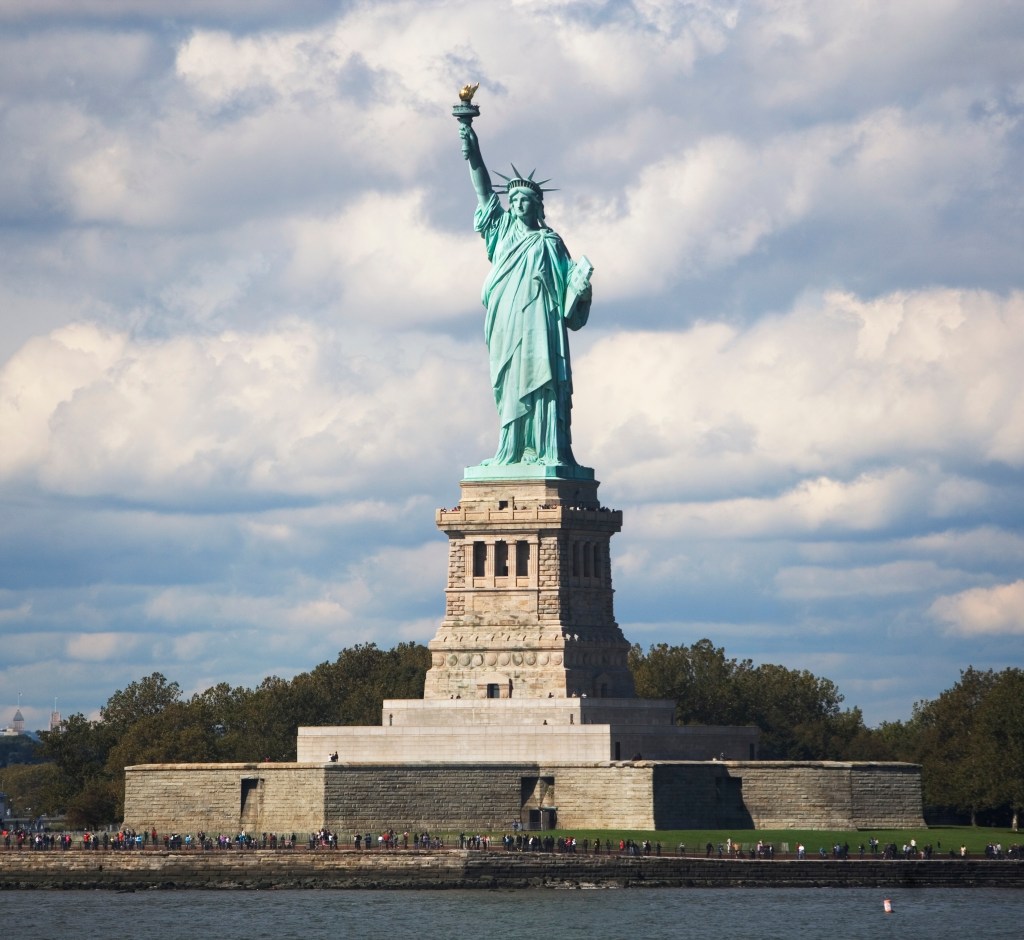
Located on New York Harbor, the Statue of Liberty is a symbol of freedom and opportunity for immigrants coming to America.The statue was gifted by France in 1886 and stands at over 151 feet tall.Today it welcomes millions each year who come from all around the world to see this iconic landmark.Students will learn about its history, symbolism ,and meaning through guided tours or exploring exhibit galleries that showcase photographs or documents related to Lady Liberty.
Historical landmarks are important teaching resources that offer valuable insights into our past while also inspiring students to think critically about today’s issues.These sites provide opportunities for hands-on learning experiences that engage students and help them develop both academic skills such as critical thinking,social-emotional competencies like empathy,and even personal values such as civic responsibility.So if you’re looking for ways to enrich your alternative education program, consider taking your students on field trips to these historical landmarks!
 Alternative Amie
Leave a comment