Virtual Schools: A Comprehensive Look at Alternative Education
Education is an essential aspect of human development. It equips individuals with knowledge and skills that they need to navigate the world successfully. However, traditional schooling may not always be the best option for some students due to various reasons such as disabilities, giftedness, or social issues. Fortunately, virtual schools offer an alternative education pathway for students who require a more personalized approach to their learning experience.
In this article, we will explore several aspects of virtual schools and how they compare to traditional schools. We will cover topics ranging from enrollment trends and curriculum customization options to teacher training and student-teacher interaction.
Virtual Schools for Students with Disabilities
Students with disabilities face unique challenges in traditional schools because the environment may not cater to their specific needs adequately. For instance, a child with mobility issues may struggle to move around large school buildings or access classrooms on higher floors. On the other hand, children with sensory processing disorders may find it challenging to focus in noisy environments.
Virtual schools provide an excellent opportunity for these students because they can learn in a comfortable setting without worrying about physical limitations or sensory overload. Additionally, virtual schools offer specialized programs that cater specifically to each student’s needs.
Virtual Schools for Gifted and Talented Students
Gifted and talented students also benefit significantly from virtual schooling programs because they allow them to progress at their own pace without being held back by others’ abilities or interests. In a traditional classroom setting, teachers must keep up with all students’ learning levels while ensuring no one gets left behind. This balancing act can result in gifted learners feeling bored or disengaged during class time.
Virtual schools eliminate this problem by offering advanced courses tailored explicitly towards the student’s interest areas while allowing them flexibility over when they complete coursework assignments.
Virtual Schools for At-Risk Youth
At-risk youth are those who face significant challenges such as poverty, homelessness, neglect or abuse at home which make it difficult to succeed in a traditional classroom setting. Virtual schools offer these students an opportunity to continue their education without worrying about the social issues that they face.
Virtual schools for at-risk youth provide support services such as counseling and mentorship programs to help them stay on track with their coursework and transition back into society successfully.
The Impact of Virtual Schools on Socialization Skills
Socialization skills are critical for children’s development, especially during their formative years. Traditional schooling provides ample opportunities for children to interact with others, learn teamwork, and develop healthy communication skills. However, virtual schools may not offer the same level of social interaction since students work independently most of the time.
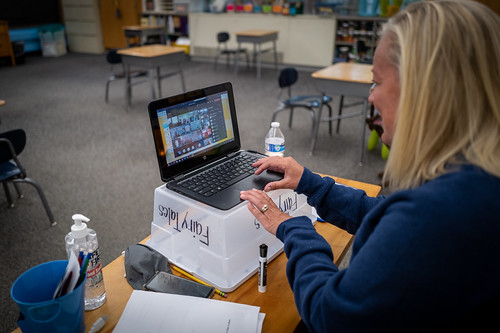
While it is true that virtual schools do not provide face-to-face interaction, they still encourage socialization through group projects, online discussions, and extracurricular activities such as clubs or forums. Additionally, many virtual school programs require regular meetings between teachers and students via video conferencing technology which helps build rapport between them.
Virtual School Curriculum Customization Options
One significant advantage of virtual schooling is its ability to customize curriculums according to each student’s needs. Students can choose courses based on their interests or learning goals rather than being forced into taking classes that do not fit their preferences.
Some virtual school programs also allow students to accelerate or slow down coursework based on how quickly they learn material ensuring every student receives an individualized experience tailored towards optimal academic success.
The Role of Parents in Virtual Schooling
Parents play a crucial role in the success of a child’s education regardless if it’s in traditional or alternative settings like virtual schooling. In fact, parents have greater involvement when it comes to virtual schooling because they must take responsibility for ensuring that their child completes assignments timely while providing necessary emotional support throughout this journey.
Additionally, parents must ensure that there is adequate technology equipment available at home so that learning can occur without interruption due lack technological resources at home (internet, computer, etc.).
Virtual School Teacher Training and Support
The role of a virtual school teacher is different from that of a traditional classroom teacher. Virtual school teachers must be comfortable with technology, able to communicate effectively through online platforms and have an understanding of each student’s learning needs.
Virtual schools offer comprehensive training for teachers before they start teaching their courses as well as ongoing support throughout the academic year. This training ensures that teachers can provide quality education to students in a virtual setting.
The Effectiveness of Virtual Schools Compared to Traditional Schools
Many studies have been conducted on the effectiveness of virtual schooling compared to traditional schooling. While there are pros and cons associated with both approaches, research shows that virtual schools can provide equal or superior academic outcomes compared to traditional schools.
One study found that virtual schools had higher graduation rates than traditional public schools while another study showed no significant difference in academic achievement between the two types of education systems.
Virtual School Attendance Policies and Enforcement
Attendance policies vary among different virtual school programs, but most require regular participation by students at least once per week if not daily. These policies ensure that students do not fall behind in coursework or miss crucial deadlines due to lackadaisical attitudes towards attendance requirements.
Enforcement mechanisms may include parental involvement or disciplinary action such as suspension if attendance levels remain low over time periods exceeding program guidelines without reasonable justification provided by parents/students who request exceptions based on extenuating circumstances like illness, injury or family emergencies beyond their control.
The Use of Technology in Virtual Schooling
Technology plays an essential role in virtual schooling since it is the primary form means communication between student-teacher interaction occurs during class time; assignments completed using web-based software applications; research done via digital libraries available on the internet; exams administered through secure testing environments monitored remotely by proctors who oversee exam administration processes ensuring test security measures aren’t compromised under any circumstances).
Student-Teacher Interaction In Virtual Schools
Student-teacher interaction in virtual schools is critical to the success of each student’s educational experience. Virtual school programs offer various modes of interaction between students and teachers, including video conferencing, email, phone calls or chat rooms.
Teachers can provide individualized attention to each student through these interactions which ensures that their academic needs are met while providing emotional support as required throughout the learning process.
Virtual School Accreditation and Accountability
Virtual schools must meet the same accreditation standards as traditional public schools ensuring they maintain high-quality education services for all enrolled students. Additionally, virtual schools are held accountable by state departments of education who monitor compliance with established guidelines regarding curriculum delivery methods used, teacher qualifications required for employment purposes or financial accountability measures adopted to ensure proper use funds received from taxpayers.
The Cost-Effectiveness Of Virtual Schooling
Virtual schooling programs have lower costs than traditional public schools since they do not require physical buildings or maintenance expenses associated with them. The cost savings realized by virtual schooling providers translates into lower tuition fees for parents/students compared to what they would have paid at public school systems providing similar quality educational programming opportunities under different circumstances such as private or religious affiliated institutions which charge higher fees due non-tax supported status according law governing these entities in many states throughout country depending on location where students reside.
Virtual School Enrollment Trends And Patterns
Enrollment trends in virtual schooling indicate a growing movement towards alternative forms of education because it provides flexibility and customization options that may not be available within traditional classroom settings. As more families look for ways to personalize their child’s learning experience, virtual schooling has become an increasingly popular option across many regions globally over recent years.
The Impact Of Virtual Schooling On College Readiness
Research shows that students who attend virtual schools are better equipped academically when transitioning into college compared to those who attended traditional public school systems. This outcome results from rigorous coursework requirements set forth by online educational providers which challenge students’ academic abilities while preparing them adequately for rigorous college-level coursework requirements in many subject areas.
Virtual School Graduation Rates And Outcomes
Virtual schools have higher graduation rates than traditional public schools due to the flexibility and personalized educational services they provide. Students who attend virtual schools are more likely to graduate from high school on time compared to those attending traditional public school systems which shows that alternative forms education like virtual schooling can produce successful outcomes for students.
The Role Of Extracurricular Activities In Virtual Schooling
Extracurricular activities play an essential role in shaping a child’s character and social development. Virtual schools offer opportunities for students to participate in clubs, sports teams or other organizations that promote their interests outside of academic pursuits.
These extracurricular activities help students connect with others who share similar interests while providing opportunities for personal growth through leadership roles, community service projects or other initiatives that promote positive values among young people today such as self-discipline, teamwork, responsibility or respect towards others around them regardless of background differences encountered within diverse student populations represented by online learning environments worldwide today.
Virtual School Student Motivation And Engagement Strategies
Student motivation and engagement are critical elements in ensuring academic success in virtual schooling programs. Virtual school providers use various strategies such as gamification techniques, rewards systems or peer-to-peer recognition programs aimed at motivating students to complete assignments timely while maintaining high-quality standards expected throughout entire program duration under different circumstances encountered during learning process including technical glitches (internet connection failure) hardware malfunctions software compatibility issues affecting user experience overall satisfaction levels associated with using web-based applications required achieve course objectives specified each individual student profile created upon enrollment completing registration process successfully without any difficulties arising along way due errors made during sign-up phase paperwork submission requirements met satisfactorily according established guidelines governing admission proceedings used all over world depending location where online learning takes place currently).
Online Safety Considerations For Virtual Schooling
Online safety considerations must be taken into account when enrolling children into virtual schooling programs. Parents must ensure that their children have access to secure internet connections, and they do not share any personal information online without proper verification procedures in place.
Virtual schools offer various safeguards such as firewalls, encryption software or other security measures aimed at protecting students’ privacy and preventing cyberbullying activities among young people today who sometimes engage in malicious behavior towards others using web-based platforms purposely designed for educational purposes only but misused by some individuals seeking prey on vulnerable populations like children exposed these environments without adequate supervision from trusted adults around them all time during interaction periods occurring throughout academic year across diverse student populations represented virtual school settings worldwide currently.
Conclusion
Virtual schools offer a viable alternative to traditional public schools that cater to a wide range of students with different needs. They provide flexible scheduling options, personalized curriculums tailored towards individual learning styles, while also offering extracurricular activities that promote social development among young people today.
While there are pros and cons associated with both education systems, research shows that virtual schooling can produce equal or better outcomes than traditional public school systems when it comes to preparing students for higher education or the workforce after graduation. Therefore, parents should consider the benefits of virtual schooling when deciding what type of educational program is best suited for their child’s unique needs.
 Alternative Amie
Leave a comment