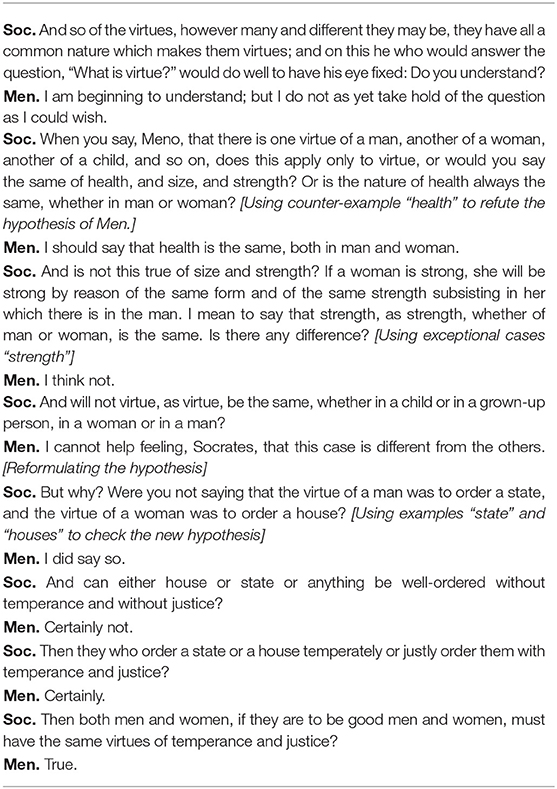
The Socratic Method in Rural Education
The Socratic method is a form of dialogue that uses questioning to encourage critical thinking and to challenge assumptions. It has been used for centuries as a way to teach students how to think, rather than what to think. In recent years, the Socratic method has gained popularity in alternative education settings, particularly in rural areas where traditional teaching methods may not be effective.
Implementing the Socratic Method in Urban Schools
While the Socratic method has been traditionally associated with rural or alternative education settings, it can also be adapted for use in urban schools. By using open-ended questions and encouraging student-led discussions, teachers can foster critical thinking skills and engage students who may otherwise disengage from traditional lecture-based instruction.
Adapting the Socratic Method for Online Learning
The COVID-19 pandemic has forced many educators to adapt their teaching methods for online learning environments. The Socratic method can still be effective when adapted for digital platforms through the use of video conferencing tools and virtual discussion boards. Teachers must also ensure that they are providing equitable access to technology and resources for all students.
Using the Socratic Method in Homeschooling
Homeschooling allows parents or caregivers more flexibility in choosing instructional methods that work best for their child’s needs. The Socratic method can be an effective tool for homeschoolers because it encourages independent thought and self-directed learning. Parents should guide discussions by asking open-ended questions but allowing their child’s responses to shape the direction of the conversation.
The Benefits of the Socratic Method for Alternative Education
Alternative education programs often serve students who have struggled within traditional school settings due to behavioral or academic challenges. The Socratic method promotes active engagement among these students by giving them a voice in classroom discussions and allowing them opportunities to build social-emotional skills through respectful discourse.
Incorporating the Socratic Method into Project-Based Learning
Project-based learning (PBL) is a teaching method that involves students in real-world problem-solving and inquiry-based activities. The Socratic method can be applied to PBL by encouraging students to question their assumptions and the assumptions of others as they work collaboratively on projects. This approach promotes deeper learning and encourages students to take ownership of their education.
The Role of the Socratic Method in Experiential Education
Experiential education emphasizes hands-on learning through direct experience, reflection, and engagement with the natural world or community. The Socratic method can be used in experiential education settings by guiding debriefing sessions after outdoor excursions or service learning projects. Teachers can ask open-ended questions that encourage critical thinking about the experience and its impact on the environment or community.
Teaching Critical Thinking Through the Socratic Method
Critical thinking is a key skill for success in college and career readiness. The Socratic method encourages critical thinking skills by challenging students’ assumptions, asking them to justify their beliefs, and exploring alternative perspectives. By promoting independent thought, this approach helps prepare students for complex problem-solving situations they will encounter later in life.
Using the Socratic Method to Teach Social Justice Issues
Social justice issues are complex topics that require deep understanding of historical context and current events. The Socratic method lends itself well to teaching social justice because it allows for respectful dialogue among participants who may have differing viewpoints. It also provides opportunities for exploration of power imbalances within society.
The Impact of the Socratic Method on Student Engagement and Motivation
The use of questioning techniques encourages student participation which leads to greater engagement with instructional content than traditional methods like lecturing which often leads to student disengagement due to lack of interest or relevance. Students who engage with educational content are more motivated towards academic achievement.
Differentiating Instruction with the Socratic Method
Differentiated instruction is an approach where teachers tailor their instruction based on individual student needs such as prior knowledge levels or personal interests. The Socratic method can be used in differentiated instruction by allowing students to guide the conversation based on their experiences and perspectives, rather than following a predetermined lesson plan.
The History and Evolution of the Socratic Method
The Socratic method has its roots in ancient Greek philosophy but has evolved over time as it was adapted for use in education settings. It has been used throughout history as a way to encourage critical thinking skills and promote independent thought among students.
Assessing Student Learning with the Socratic Method
Assessment is an important part of any educational approach. The Socratic method lends itself well to formative assessment because it allows teachers to gauge student understanding through questioning techniques that promote deeper thinking about instructional content.
Cultivating a Classroom Culture that Supports the Use of the Socratic Method
To effectively use the Socratic method, teachers must create a classroom culture that encourages respectful dialogue and values diverse perspectives. This includes establishing clear expectations for discussion behavior and creating opportunities for all students to participate actively.
Addressing Challenges When Using the Socratic Method in Diverse Classrooms
Diversity within classrooms presents unique challenges when using the Socratic method due to potential differences in cultural or language backgrounds among participants. Teachers must be sensitive to these differences while encouraging open dialogue that respects individual viewpoints.
Using Technology to Enhance the Effectiveness of the Socratic Method
Technology can enhance the effectiveness of the sSocractic method by providing access to online resources such as video conferencing tools or virtual discussion boards. These tools allow teachers to facilitate discussions even when physical presence is not possible or practical.
Developing Questioning Skills for Effective Use of The sSocractic Method
Effective use of questioning skills requires practice and feedback from peers or mentors during teacher training programs which will help develop essential pedagogical knowledge around this technique’s implementation strategies.
Collaborative Learning with The sSocractic Method
Collaboration is essential when using the sSocractic method in the classroom. Teachers should encourage students to work together and share their ideas, which will lead to greater understanding and deeper thinking.
Creating a Safe Space for Dialogue with Students Using The sSocractic Method
Creating a safe space for dialogue is essential when using the sSocractic method because it allows participants to explore sensitive topics without fear of retribution or judgment from others. Teachers must create an environment that promotes respect, empathy, and inclusion while encouraging active participation among all students.
Applying The Socratic Method to Interdisciplinary Studies
Interdisciplinary studies involve integrating multiple subject areas into a single educational experience. The Socratic method can be applied to interdisciplinary studies by encouraging students to ask questions that bridge gaps between different disciplines, promoting critical thinking across multiple domains.
The Role of Reflection in The Socratic Method
Reflection is an important component of the sSocractic method because it encourages participants to think deeply about their experiences and what they have learned from them. Teachers should provide opportunities for reflection throughout instructional activities as well as at the end of each session or unit.
Social Emotional Learning and The Socratic Method
Social emotional learning (SEL) involves teaching self-awareness, social awareness, relationship skills, responsible decision-making, and self-management skills. The Socratic method can be used in SEL by guiding discussions that promote empathy, respectfulness towards others’ perspectives/feelings/emotions but also helping learners understand themselves better so they can make more informed decisions later on.
Culturally Responsive Teaching with The Socratic Method
Culturally responsive teaching is a pedagogical approach that recognizes cultural differences among learners and incorporates these differences into instructional strategies. When using the Socratic method within culturally diverse classrooms teachers must acknowledge cultural backgrounds while still facilitating open dialogue around shared experiences/ideas/opinions/questions etc., avoiding assumptions based on stereotypes or prejudices
Self-directed Learning And The Socratic Method
Self-directed learning emphasizes learners’ autonomy, and the Socratic method can be used to promote self-directed learning by encouraging students to ask their own questions and explore topics independently. This approach fosters independent thinking skills that are necessary for lifelong learning.
Inquiry-based Teaching Using The Socratic Method
Inquiry-based teaching involves guiding students through a process of questioning and exploration in order to deepen understanding. The Socratic method is an effective tool in inquiry-based teaching because it encourages participants to ask questions that lead them towards deeper levels of understanding.
 Alternative Amie
Leave a comment