Language Development: Understanding the Importance of Language in Child Development
Language development is a crucial aspect of child development, and it plays a significant role in shaping children’s communication skills, social interactions, cognitive abilities, and emotional regulation. As parents and educators, it is essential to understand the different stages of language development and how to support children’s language learning.
In this Q&A style post, we will explore some common questions about language development that parents and educators may have.
Q: What are the different stages of language development?
A: There are several stages of language development that children go through from birth to adolescence. These include:
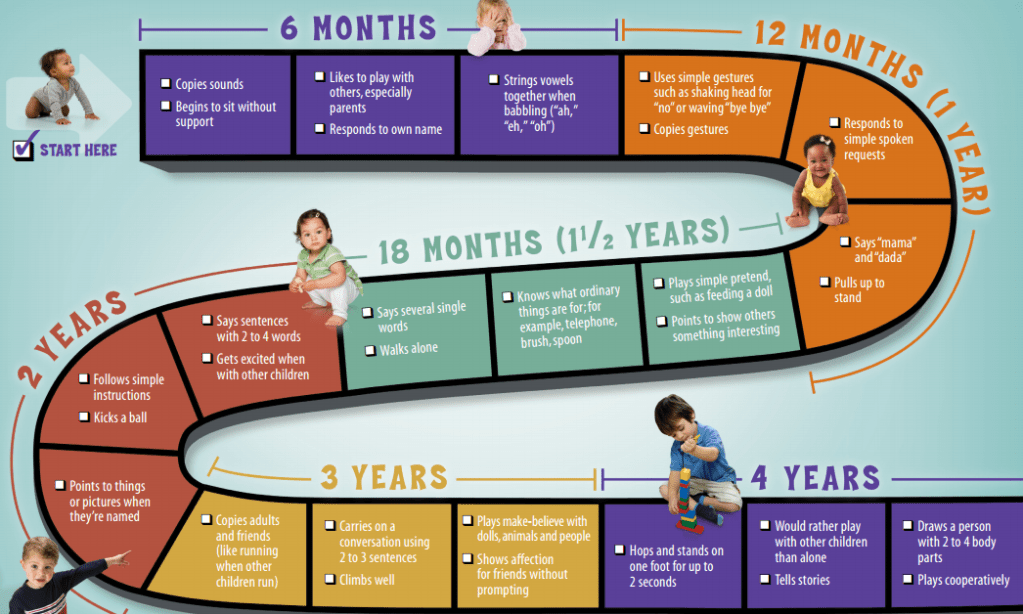
1. Pre-linguistic stage (birth to 12 months): During this stage, babies communicate through crying, cooing, babbling, facial expressions, and body movements. They start to recognize familiar sounds and voices.
2. Holophrastic or one-word stage (12-18 months): At this stage, children start using single words to express their needs or wants. They learn new words rapidly but do not yet use them in sentences.
3. Two-word or telegraphic speech stage (18-24 months): Children start combining two words together to form simple phrases such as “more milk” or “daddy bye-bye.”
4. Early multi-word stage (2-3 years): Children start forming simple sentences consisting of three or four words.
5. Later multi-word stage (3+ years): Children’s sentences become more complex as they learn grammar rules such as subject-verb agreement and pronoun usage.
Q: How can I support my child’s language development?
A: There are several ways you can support your child’s language learning at home:
1. Talk to your child regularly: Engage your child in conversations throughout the day by asking open-ended questions like “What did you do today?” or “How was your day?”
2. Read with your child: Reading books aloud to your child helps them develop their vocabulary, comprehension skills, and imagination.
3. Sing songs and rhymes: Singing songs and reciting rhymes help children learn the sounds of language and improve their memory skills.
4. Play with your child: Playing games that involve storytelling, pretend play, or problem-solving can enhance children’s language development by encouraging them to use words in context.
Q: Are there any red flags for delayed language development?
A: Yes, some red flags for delayed language development include:
1. Not babbling or making cooing sounds by six months
2. Not using single words by 18 months
3. Difficulty understanding simple commands or questions
4. Limited vocabulary compared to peers by age two
5. Struggling to form sentences correctly or using incorrect grammar rules at age three or older.
If you notice any of these signs in your child’s language development, it is essential to speak with a pediatrician or a speech-language pathologist for an assessment.
Q: How does learning multiple languages affect a child’s language development?
A: Learning multiple languages can have positive effects on children’s cognitive abilities, social skills, and academic performance. However, it can also present some challenges for children as they need to navigate between different linguistic systems.
Research shows that bilingualism enhances cognitive flexibility and executive functioning skills such as attention control and working memory capacity (Bialystok et al., 2014). Bilingual children also tend to perform better academically than monolingual children in areas such as reading comprehension and problem-solving (Adesope et al., 2010).
However, learning multiple languages simultaneously can be challenging for young children as they may mix up the languages initially or experience slower language acquisition rates in each language (Genesee & Nicoladis, 2006). Therefore it is essential not to force multilingualism upon a child, but instead expose them to multiple languages and allow them to pick up the languages naturally.
Q: How can educators support language development in the classroom?
A: Educators can support language development in the classroom by:
1. Providing a language-rich environment: Teachers can create opportunities for children to listen, speak, read, and write in meaningful contexts. This includes using books, songs, games, and authentic materials that reflect children’s interests and cultural backgrounds.
2. Encouraging social interactions: Group work activities such as discussion groups or peer tutoring can help children develop their communication skills by practicing turn-taking, active listening, and giving feedback.
3. Using differentiated instruction strategies: Teachers should use different teaching methods based on individual student needs; this includes visual aids such as pictures or videos for non-native speakers or students with learning difficulties.
4. Incorporating technology tools: Digital devices such as tablets or interactive whiteboards can provide engaging ways of practicing reading comprehension skills while also fostering technological literacy among students.
In conclusion, language development is an essential aspect of child development that has a significant impact on their social-emotional wellbeing and academic success. As parents and educators it is crucial to understand the stages of language development so that we can support our children’s learning effectively. By providing a rich linguistic environment at home and school along with appropriate instruction strategies tailored to individual student needs will help promote healthy growth in your child’s speech capabilities from early childhood through adolescence.
 Alternative Amie
Leave a comment