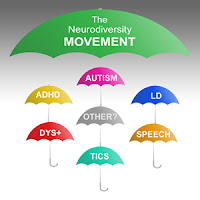
Neurodiversity refers to the natural variation in human brains and includes conditions like autism, ADHD, dyslexia, and others. These individuals may face unique challenges in their personal and professional lives, including managing finances. In this article, we will explore various financial aspects related to neurodiversity that can help individuals and families better manage their money.
Budgeting
Creating a budget is an essential part of managing your finances effectively. It involves tracking your income and expenses to ensure you are not overspending or falling into debt. For neurodiverse individuals who may struggle with organizing information or keeping track of details, it can be helpful to use visual aids such as graphs or charts when creating a budget.
Saving Money
Saving money is important for everyone, but it can be especially challenging for those with neurodiverse conditions that affect impulse control or decision-making abilities. One approach is to automate savings through direct deposit into a separate account so that funds are set aside before they have a chance to be spent impulsively.
Investing
Investing can provide long-term financial stability but requires knowledge about different investment options and risks involved. For neurodiverse individuals who may have difficulty processing complex financial information or making decisions about investments, seeking advice from a trusted advisor is highly recommended.
Financial Planning
Financial planning involves setting goals for saving and investing while considering factors such as retirement plans, education expenses for children or dependents with special needs trusts (SNTs), healthcare costs associated with one’s condition(s). Working with a professional financial planner experienced in assisting clients with diverse needs may help create effective strategies tailored specifically towards individual circumstances.
Credit Scores
A credit score reflects how well someone manages debt over time; lenders rely on this number when deciding whether to approve loans at favorable rates. Individuals need good credit scores when applying for mortgages or car loans since these types of lending products require significant amounts upfront that cannot always be covered by savings. For neurodiverse individuals, keeping track of multiple credit scores and managing multiple lines of credit can be challenging. To ensure they are on top of their finances, it is essential to maintain a good credit score by paying bills on time and avoiding excessive borrowing.
Debt Management
Managing debt is an essential part of personal finance that involves monitoring one’s borrowing levels carefully. Neurodiverse individuals may benefit from working with financial advisors or counselors to develop a plan for reducing or eliminating debt over time.
Tax Preparation
Preparing taxes can be daunting for anyone, but it can be especially challenging for those who face difficulties processing complex financial information. Employing the services of an experienced tax professional like a certified public accountant (CPA) knowledgeable about accommodating clients with diverse needs may help facilitate the process.
Entrepreneurship
Starting a business can provide an opportunity for someone with neurodiversity to utilize their unique skills and abilities while also providing them greater control over their work environment. It is essential to have adequate knowledge about entrepreneurship before embarking on this journey since starting any new venture requires significant investments upfront in terms of both effort and money.
Employment Opportunities
Finding suitable employment opportunities can be difficult for neurodiverse individuals because many positions require specific skill sets that might not come naturally to them. Seeking job training programs or career counseling services designed specifically towards assisting people with disabilities may increase chances of finding meaningful employment opportunities.
Workplace Accommodations
Many employers now offer reasonable accommodations tailored towards meeting the needs of employees’ diverse requirements such as flexible scheduling options or sensory-friendly workplaces that cater towards the specific needs associated with autism spectrum disorders (ASD). Asking supervisors regarding workplace accommodations available might assist in reducing anxiety levels often associated with neurodiversity conditions within professional environments.
Social Security Benefits
Social Security benefits provide assistance to those who need help covering expenses related to disability or retirement income. Applying early allows applicants access to social security benefits while still working, which can provide additional financial support in the event of job loss or other unforeseen circumstances.
Disability Insurance
Disability insurance provides a safety net for those who become unable to work due to illness or injury. It is beneficial for neurodiverse individuals who may face greater challenges maintaining steady employment than others.
Special Needs Trusts
Special needs trusts (SNTs) are legal instruments that allow parents or guardians of children with disabilities, including neurological conditions like autism spectrum disorders, to ensure their loved ones’ needs are met over time. SNTs can safeguard assets and provide comprehensive medical and living care even after parents have passed away.
Estate Planning
Estate planning involves creating plans for how wealth will be distributed after one’s death. For neurodiverse families with unique situations such as special needs trusts (SNTs), it is essential to seek professional guidance from experienced estate planners knowledgeable about accommodating clients with diverse needs when developing an estate plan.
Financial Literacy Education
Financial literacy education offers a vital foundation upon which personal finance knowledge rests. Many organizations offer free online courses designed specifically towards educating people on different aspects of personal finance management tailored towards individuals with diverse requirements such as neurodiversity conditions.
Banking Services For Neurodiverse Individuals
Many banks now offer services tailored towards meeting the specific banking requirements associated with neurological conditions like autism spectrum disorders (ASD). These services might include sensory-friendly branches, virtual tellers available via video chat, or text-to-speech ATMs that cater towards the specific requirements of people facing difficulties processing complex information.
Access To Financial Resources For Neurodiverse Individuals
Accessing financial resources may be challenging for many neurodiverse individuals due to various factors such as difficulty processing complex information or navigating bureaucratic systems effectively. Seeking assistance from dedicated professionals who understand these issues and know-how best to navigate them could help reduce anxiety levels often associated with financial management.
Financial Challenges Faced By Neurodiverse Individuals And Families
Neurodiversity conditions can cause significant financial challenges for individuals and families, including difficulty finding employment opportunities, managing debt levels effectively, or accessing appropriate healthcare services. These challenges often require tailored solutions that address individual requirements while also offering sound advice on how to manage finances better.
Financial Advocacy For Neurodiverse Individuals And Families
Advocating for neurodiverse individuals and families’ financial needs requires collaboration between diverse stakeholders such as policymakers, healthcare providers, employers, educators, and others. Collaboration among these groups can help ensure access to resources necessary for effective money management while also providing specialized interventions designed specifically towards meeting the unique requirements of people facing difficulties associated with neurological conditions.
In conclusion, managing personal finances is critical for everyone but may present unique challenges for those with neurodiversity conditions. Fortunately, many resources are available to assist in navigating different aspects of personal finance management tailored specifically towards accommodating diverse requirements associated with neurological conditions like autism spectrum disorders (ASD). Seeking professional guidance from experienced advisors knowledgeable about accommodating clients with diverse needs may provide much-needed support when developing strategies tailored towards facilitating effective money management over time.
 Alternative Amie
Leave a comment