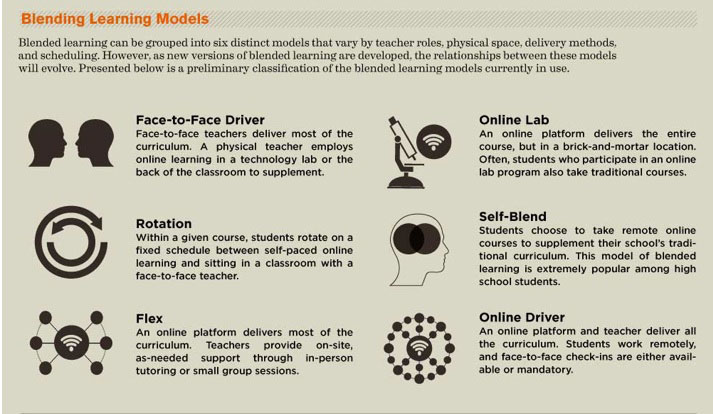
Blended Learning Models: The Best of Both Worlds
Blended learning models have become increasingly popular in recent years, and for good reason. These models combine the best of traditional classroom teaching with online learning resources to create a more engaging and personalized educational experience.
But what exactly is blended learning? In short, it’s a method of instruction that combines face-to-face teaching with online components. For example, a teacher might assign readings or videos for students to review outside of class time, then use class time to delve deeper into the material through discussions or activities.
One benefit of this approach is that it allows teachers to differentiate instruction based on students’ needs. Students who struggle with certain concepts can review materials at their own pace before coming to class, while those who are ready for more advanced work can be given additional challenges.
Another advantage is that blended learning can help bridge the digital divide by providing access to technology and internet resources for all students. This is especially important for schools serving low-income communities where not all families may have access to these resources at home.
Of course, there are also some potential drawbacks to consider. One concern is that students may feel isolated or disconnected from their classmates if too much coursework is done online. To mitigate this risk, it’s important for teachers to provide opportunities for collaboration and social interaction within in-person classes.
Additionally, implementing a successful blended learning model requires careful planning and coordination between teachers and administrators. It’s not enough just to throw some online resources together – they need to be integrated into a cohesive curriculum that supports student learning goals.
Despite these challenges, many educators feel that blended learning offers an exciting opportunity to revolutionize education by combining the best of both worlds – traditional teaching methods with innovative technology-based tools. By embracing this model, we can better prepare our students for success in the 21st century workforce while also providing them with a fun and engaging educational experience along the way!
 Alternative Amie
Leave a comment