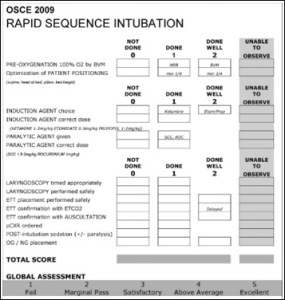
Performance-based assessment, also known as authentic assessment or project-based learning, is a method of evaluating student learning that goes beyond traditional testing methods. Rather than focusing solely on memorization and regurgitation of information, performance-based assessments measure a student’s ability to apply knowledge and skills in real-world situations.
In recent years, there has been an increasing interest in alternative schooling and education methods that prioritize hands-on experiences and critical thinking over rote memorization. Performance-based assessment aligns with this approach by providing students with opportunities to demonstrate their understanding of concepts through practical application.
Performance-based assessments come in many forms, including presentations, projects, portfolios, performances, and simulations. These assessments are designed to mimic real-world scenarios and tasks that students may encounter outside of the classroom. For example, a student studying engineering might be asked to design and build a working model of a machine or structure while another student studying literature could create a multimedia presentation exploring themes within a novel.
One advantage of performance-based assessment is that it allows for greater differentiation among students than traditional testing methods. Because each project or task is unique, students have more options for demonstrating their knowledge and skills in ways that play to their strengths. Additionally, because these assignments often allow for multiple correct answers or approaches to problem-solving, they can be especially useful for assessing higher-order thinking skills such as analysis and synthesis.
Another benefit of performance-based assessment is that it encourages collaboration among students. Many projects require teamwork or peer feedback which can help foster communication skills as well as promote empathy towards others’ perspectives while developing creative solutions together.
Perhaps the most significant benefit provided by performance-based assessment though is how it prepares students for life after school – whether they will go on to college or directly into the workforce – where success depends not only on what you know but also how well you can apply what you know.
Despite its benefits though some educators are hesitant about using performance-based assessments since they require more time to prepare and evaluate than traditional assessments. Additionally, grading rubrics often need to be customized for each project or assignment, which can be time-consuming.
There are also concerns about consistency in grading and ensuring that all students have equal opportunities to succeed. However, these issues can be addressed through careful planning and implementation of performance-based assessment methods as well as providing clear criteria for evaluating student work.
To successfully implement performance-based assessment, teachers must create assignments that challenge students at their individual level while still aligning with learning objectives. Teachers should provide clearly defined expectations for the project or task from the outset so that students understand what is expected of them before beginning the work.
Teachers should also incorporate regular check-ins throughout the process to ensure that students remain on track towards meeting their goals. By doing this teachers can identify potential roadblocks early on and offer additional support where necessary.
When it comes to assessing student work during performance-based assessments, it’s important to use a variety of evaluation strategies such as self-reflection, peer feedback, teacher evaluation using rubrics aligned with learning objectives among others. This approach helps account for different types of learners who may struggle with traditional testing methods like multiple-choice questions.
In conclusion, Performance-based assessment is an effective way to assess student understanding beyond rote memorization by allowing them opportunities for practical application in real-world situations. It provides a more accurate representation of a student’s ability and encourages collaboration between peers while promoting higher-order thinking skills like analysis and synthesis. The incorporation of these assessments requires careful planning but ultimately creates outcomes that better prepare students for life after school where success depends not only on what you know but how well you apply what you know in practice.
 Alternative Amie
Leave a comment